
No items in the cart




Showering with Jewelry: Is it Safe?
Solid gold jewelry with natural gemstones is completely safe to wear in the shower. Here's your complete guide to which metals and gemstones can handle water, which crystal bracelets to remove, and detailed do's and don'ts for every material.
By Valerya | 7 min read
KEY TAKEAWAYS
- Solid gold jewelry with natural gemstones is completely safe to wear in the shower
- Gold-plated, gold-filled, and sterling silver jewelry can tarnish or degrade with water exposure
- Natural, undyed gemstones will never lose their color or sparkle from water
- The type of metal matters more than the gemstone when it comes to water safety
- Some crystal bracelets and dyed stones should always be removed before showering
Which Metals Are Safe for Showering?
Wouldn’t it be wonderful to have gemstone jewelry that can be an absolute part of you, that you don’t need to take off before showering or going to sleep? I get this question all the time, and the answer is: it depends entirely on the metal.
Here’s a material-by-material breakdown so you know exactly what’s safe:
Metal Safety Guide
- 14K/18K Solid Gold – Completely safe! Gold does not react with water, soap, or moisture. It won’t tarnish, corrode, or lose its shine. This is the best choice for jewelry you never want to take off.
- Platinum – Safe for showering. Like gold, platinum is highly resistant to corrosion and tarnishing.
- Gold-Filled – Generally safe for occasional water exposure, but extended daily showering can eventually wear down the gold layer over years. Better to remove when possible.
- Sterling Silver (925) – Not ideal. Silver will tarnish faster with regular water exposure. Hot water and soap accelerate the tarnishing process.
- Gold-Plated – Avoid water completely. The thin gold layer will wear off quickly with regular showering, revealing the base metal underneath.
- Brass/Copper – Never shower with these metals. They oxidize quickly in water and can leave green marks on your skin.
PRO TIP
The simple rule: if your jewelry is made in solid gold (14K or higher), you can wear it everywhere, including the shower, the pool, and even the ocean. Nothing can happen to solid gold metal. It’s strong, it cannot tarnish, and it cannot become dull.

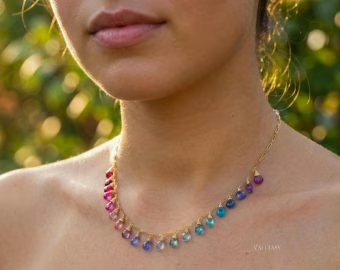
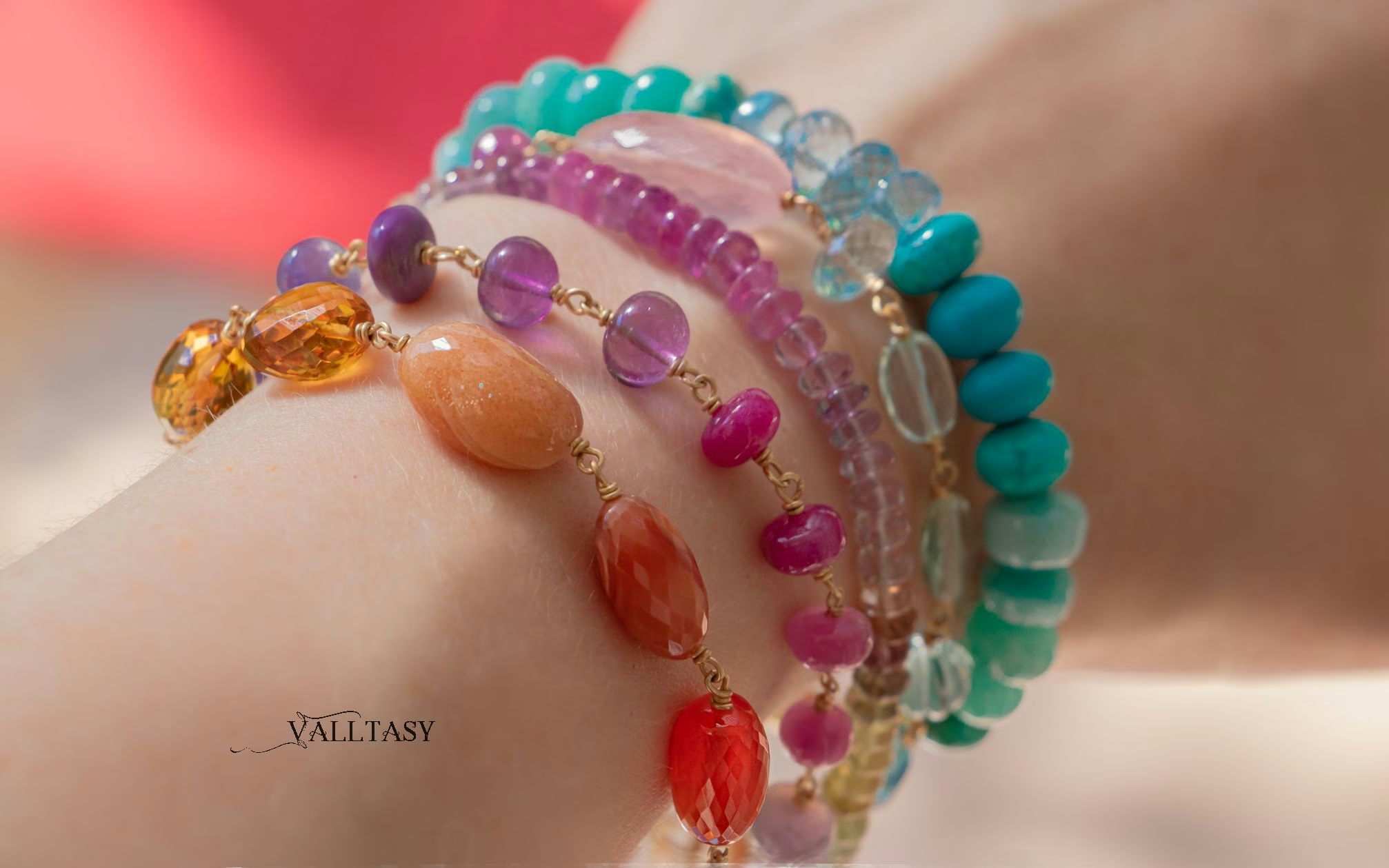
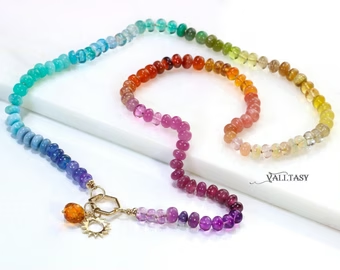
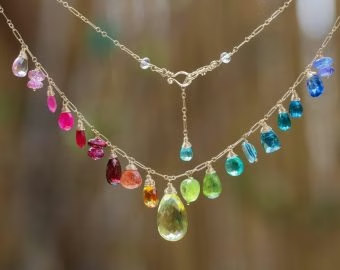
“Catching the Dreams Necklace” by Valltasy, made in 14K Solid Gold
Gemstones and Water: What You Need to Know
The metal is only half the story. What about the gemstones themselves? Here’s the good news: natural, undyed gemstones will always sparkle. They cannot lose their color. Gems like Sapphires, rubies, Emeralds, Garnets, Amethyst, Topaz, and Opals are perfectly fine with water exposure.
The key word here is natural and undyed. Dyed stones (which are common in cheaper jewelry) can lose color when exposed to water and soap. Treated or coated stones may also react poorly. That’s why I use only natural, undyed gemstones in my designs, so your jewelry stays beautiful and sparkly for generations to come.
Gemstones That Are Water-Safe
- Sapphire, Ruby (Mohs 9): Extremely durable, completely water-safe
- Topaz, Aquamarine (Mohs 7-8): Very durable, safe for regular water exposure
- Garnet, Amethyst, Citrine (Mohs 7): Durable enough for daily showering
- Opal (Mohs 5.5-6.5): Safe for brief water exposure, but avoid prolonged soaking
- Pearls (Mohs 2.5-4.5): Avoid showering. Soap and chemicals can damage the nacre
- Turquoise, Lapis Lazuli: Porous stones that absorb water. Always remove before showering
Can I Shower with My Crystal Bracelet?
This is one of the most common questions I receive, and I understand why. Crystal bracelets are popular and many people wear them daily for their energy and beauty. The answer depends on what type of crystal and how the bracelet is made:
- Quartz family (clear quartz, Rose Quartz, Smoky Quartz, Amethyst): Generally safe for brief water exposure. These crystals are hard enough (Mohs 7) to handle occasional showering.
- Elastic/stretch bracelets: Even if the crystals themselves are water-safe, the elastic cord will degrade faster with regular water exposure. The cord can stretch out, weaken, and eventually snap.
- Soft crystals (selenite, celestite, malachite, angelite): Never wear these in the shower. They can dissolve, crack, or lose their polish in water.
- Wire-wrapped crystal pieces in solid gold: If the crystals are durable (Mohs 7+) and the wire is solid gold, these are safe for showering.

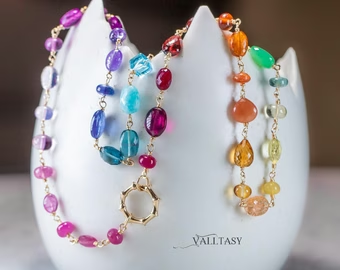
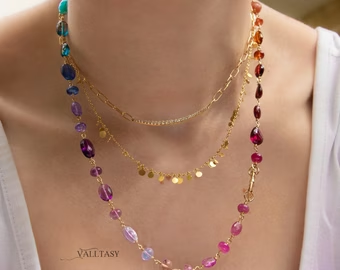
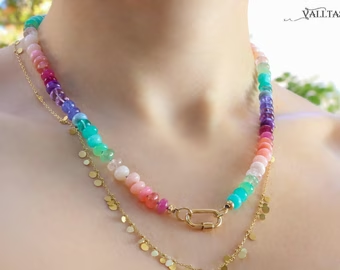
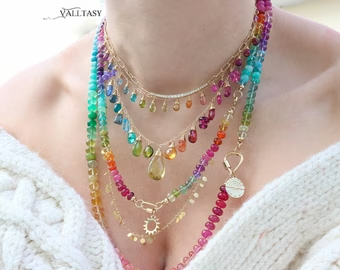
“The Fruit Punch Necklace” by Valltasy, perfect for 24/7 wear
Do’s and Don’ts of Showering with Jewelry
Here’s your quick reference guide for worry-free showering:
Do’s
- Wear solid gold jewelry (14K or 18K) confidently in the shower
- Rinse your jewelry with clean water after swimming in chlorinated pools or the ocean
- Pat dry your jewelry with a soft cloth after showering
- Choose pieces with natural, undyed gemstones for everyday wear
Don’ts
- Don’t shower with gold-plated or fashion jewelry. The plating will wear off.
- Don’t use harsh soaps or exfoliating scrubs while wearing jewelry
- Don’t leave sterling silver jewelry in humid bathroom environments
- Don’t shower with Pearls, Turquoise, or porous gemstones
- Don’t expose dyed or treated stones to prolonged water and soap
“I want your jewelry to always look good. So you can enjoy it for many, many years to come!”
Shower-Safe Jewelry from Valltasy
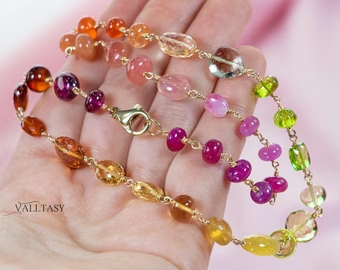
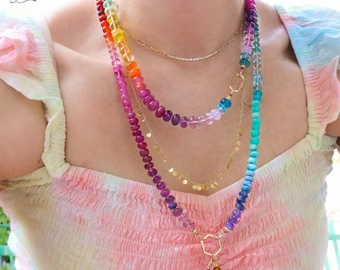
Every piece in my Gemmy Collection is made in 14K Solid Gold with natural, undyed gemstones. This means you can wear them 24/7 and enjoy every second of their wonderful sparkle, including in the shower! Gemstone jewelry wire-wrapped in gold is absolutely heirloom-quality. Nothing can happen to such a piece. Your jewelry can truly become a beautiful and enduring part of your daily routine.
FEATURED PIECES
Wear These in the Shower, No Worries!
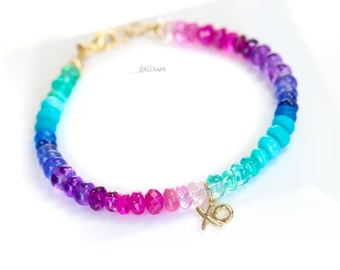
All solid gold, all natural gemstones, all made to last a lifetime ❤️

WHAT CUSTOMERS SAY
“I chose the Pink Ruby Bracelet and oh my, the color is so JUICY! I wear it daily.”
– Lana R., on the The MINI Bracelets

COMMON QUESTIONS
Showering with Jewelry FAQ
Can I shower with my crystal bracelet?
It depends on the crystal type and how the bracelet is made. Hard crystals like quartz and Amethyst (Mohs 7+) can handle occasional water exposure. However, elastic cord bracelets will degrade faster with regular showering. Soft crystals like selenite, malachite, and angelite should never be worn in the shower as they can dissolve or crack.
Will my gold necklace tarnish in the shower?
If it’s solid gold (14K or 18K), no! Solid gold is completely resistant to tarnishing and corrosion. However, gold-plated jewelry will lose its thin gold layer over time with water exposure. Gold-filled jewelry is more durable than plated but can still degrade with years of daily showering. For complete peace of mind, choose solid gold.
Can I wear gemstone jewelry in the pool or ocean?
Solid gold jewelry with natural gemstones is safe for pools and the ocean. Just rinse your jewelry with fresh water afterward to remove chlorine or salt residue. Avoid wearing gold-plated or sterling silver pieces in chlorinated or salt water, as these can accelerate tarnishing and damage.
What happens if I accidentally shower with sterling silver?
One accidental shower won’t ruin your sterling silver jewelry, but regular water exposure will speed up tarnishing. If your silver has tarnished, you can polish it with a silver polishing cloth to restore its shine. For jewelry you want to wear 24/7 without worrying, solid gold is the better investment.
Do natural gemstones lose color in water?
No! Natural, undyed gemstones will never lose their color from water exposure. Their color comes from their mineral structure, not from any surface treatment. Dyed or color-enhanced stones, however, can fade when exposed to water and soap. This is why I only use natural, untreated gemstones at Valltasy.
Is Valltasy jewelry safe to shower with?
Yes! All Valltasy pieces made in solid gold with natural gemstones are completely shower-safe. I design my jewelry to become part of you, so you can enjoy it every moment of every day. My Gemmy Collection, in particular, is perfect for 24/7 wear. You can wear these pieces in the shower, while sleeping, and during everyday activities without any worry.
Can I sleep with my jewelry on?
Solid gold jewelry with natural gemstones is perfectly fine to sleep in. The only consideration is comfort: some larger statement pieces might feel bulky while sleeping. Delicate necklaces, bracelets, and stud earrings in solid gold are ideal for round-the-clock wear. If your piece has a clasp, just make sure it’s secure.
WORRY-FREE JEWELRY
Jewelry You Never Have to Take Off
All Valltasy solid gold pieces are made for everyday wear, including the shower.
Shop Solid Gold NecklacesFIND YOUR NEXT FAVORITE
Solid Gold Necklaces
Solid gold, natural gemstones, made to wear 24/7 ❤️

US$918.00
1 person has this in their cart
KEEP READING
More Helpful Guides
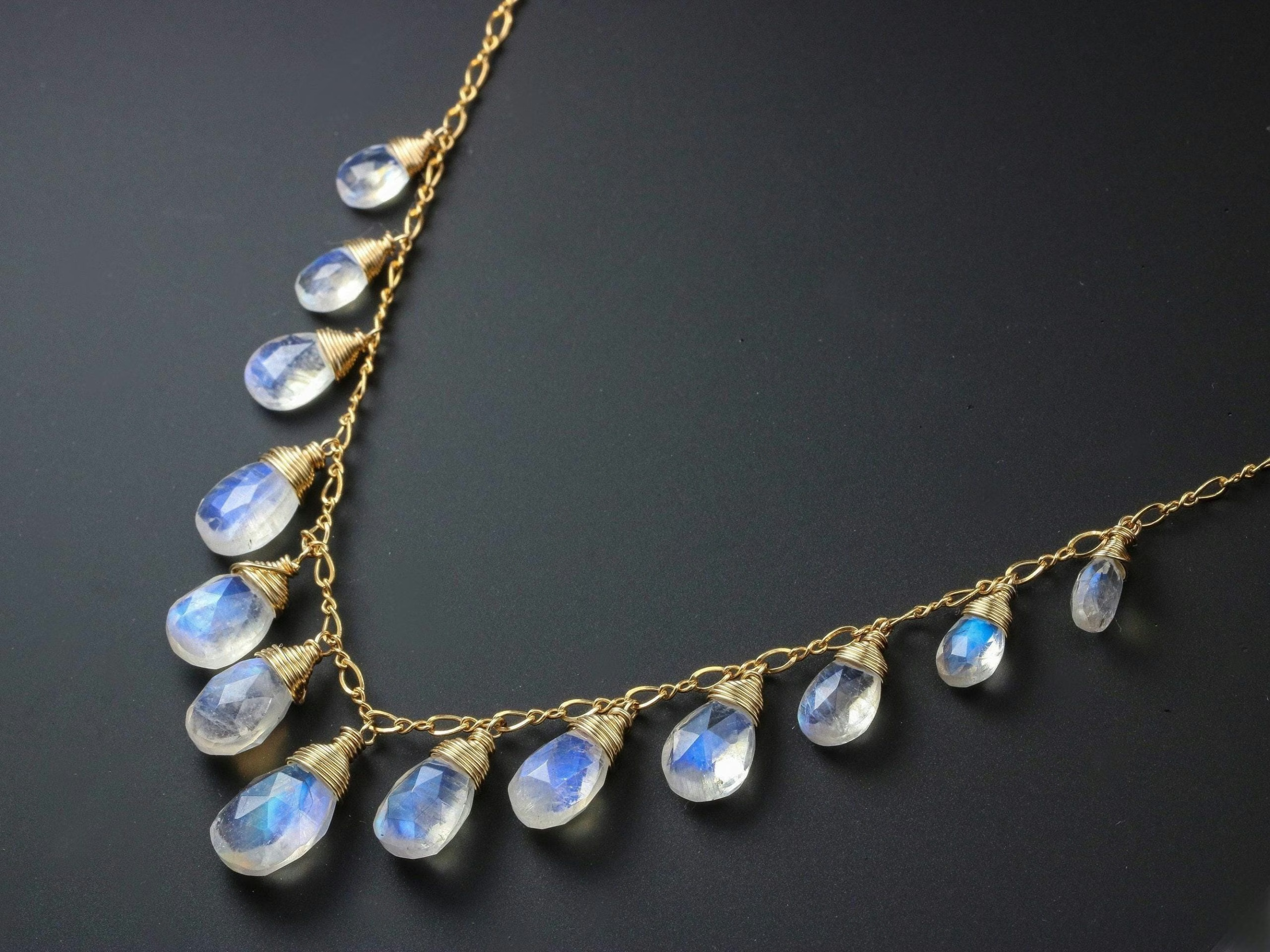
Gemstone Hardness and Durability: Which Stones Are Safe for Everyday Jewelry?
Not all gemstones are equally tough. After years of designing jewelry, here's how I decide [...]
22
Apr
Apr
Gemstone Jewelry for Your Wedding: Colorful Alternatives to Diamonds
More brides are choosing colored gemstones over Diamonds, and the results are stunning. From Moonstone [...]
16
Apr
Apr


