
No items in the cart






How to Care for Gemstone Jewelry: The Complete Guide
Your gemstone jewelry was made with love and care, and with a few simple habits it will stay beautiful for years. This guide covers everyday wear rules, cleaning tips, storage advice, special care for Ethiopian Opal pieces, and when solid gold jewelry is safe to shower with.
By Valerya | 9 min read
KEY TAKEAWAYS
- Always put your jewelry on last, after lotions, perfumes, and sprays
- Ethiopian Opal and silk knotted jewelry should never get wet, and Opals need airtight storage when not worn
- Solid gold wire-wrapped jewelry is water-safe and can be worn 24/7, but silk knotted pieces cannot
- Clean most gemstone jewelry gently with warm soapy water and a soft toothbrush (not Opals, Pearls, or Emeralds)
- Store each piece separately in a soft pouch or airtight bag to prevent scratching and tarnishing
Everyday Wear Rules
I want your gemstone jewelry to look as beautiful ten years from now as the day you first opened the gift box. The good news? It only takes a few simple habits to keep your pieces sparkling. Here are my top rules for everyday wear:
- Put jewelry on last. Apply your lotions, perfume, hairspray, sunscreen, and makeup first, then put your jewelry on. This keeps chemicals away from your gemstones and metals.
- Take it off before water activities. Remove your jewelry before showering, swimming, doing dishes, visiting the sauna, or using a hot tub. Water and humidity are the enemies of many gemstones (especially Ethiopian Opals).
- Skip the gym with jewelry on. Exercise means sweat, impact, and snagging. Take off your pieces before working out, gardening, or any physical activity.
- Avoid sleeping in your jewelry. Tossing and turning can bend delicate wire work, stress clasps, and put pressure on gemstone settings.
- Keep it away from chemicals. Household cleaners, chlorine, and even some hand sanitizers can damage gemstones and dull metals. Remove your jewelry before cleaning the house.
- Be mindful of manual labor. Whether it’s cooking, cleaning, or working in the garden, remove your jewelry to avoid accidental bumps, scratches, and exposure to moisture.
PRO TIP
Create a small “jewelry spot” by your front door or bathroom sink where you always place your pieces before activities. A pretty dish or small pouch works perfectly. Once it becomes a habit, you’ll never forget!
Can You Shower with Your Jewelry?
This is one of the questions I get asked the most! The answer depends on how your piece is made:
Yes, Safe to Shower With
Jewelry that is fully made in 14K Solid Gold with natural, undyed gemstones is water-resistant. Solid gold cannot tarnish, cannot become dull, and natural gemstones will always keep their sparkle. My Gemmy wire-wrapped pieces are a perfect example: you can wear them in the shower, to bed, and all day long without worrying.
No, Keep These Dry
Silk knotted jewelry should never get wet. Silk absorbs water, weakens over time, and can stretch or discolor. Ethiopian Opal jewelry is also sensitive to water because Opals are porous and can absorb liquids. If your piece combines silk knotting with Opals, it’s extra important to keep it completely dry. See the Ethiopian Opal section below for more details.
“I want your jewelry to always look good. So you can enjoy it for many, many years to come!”
Special Care for Ethiopian Opal Jewelry
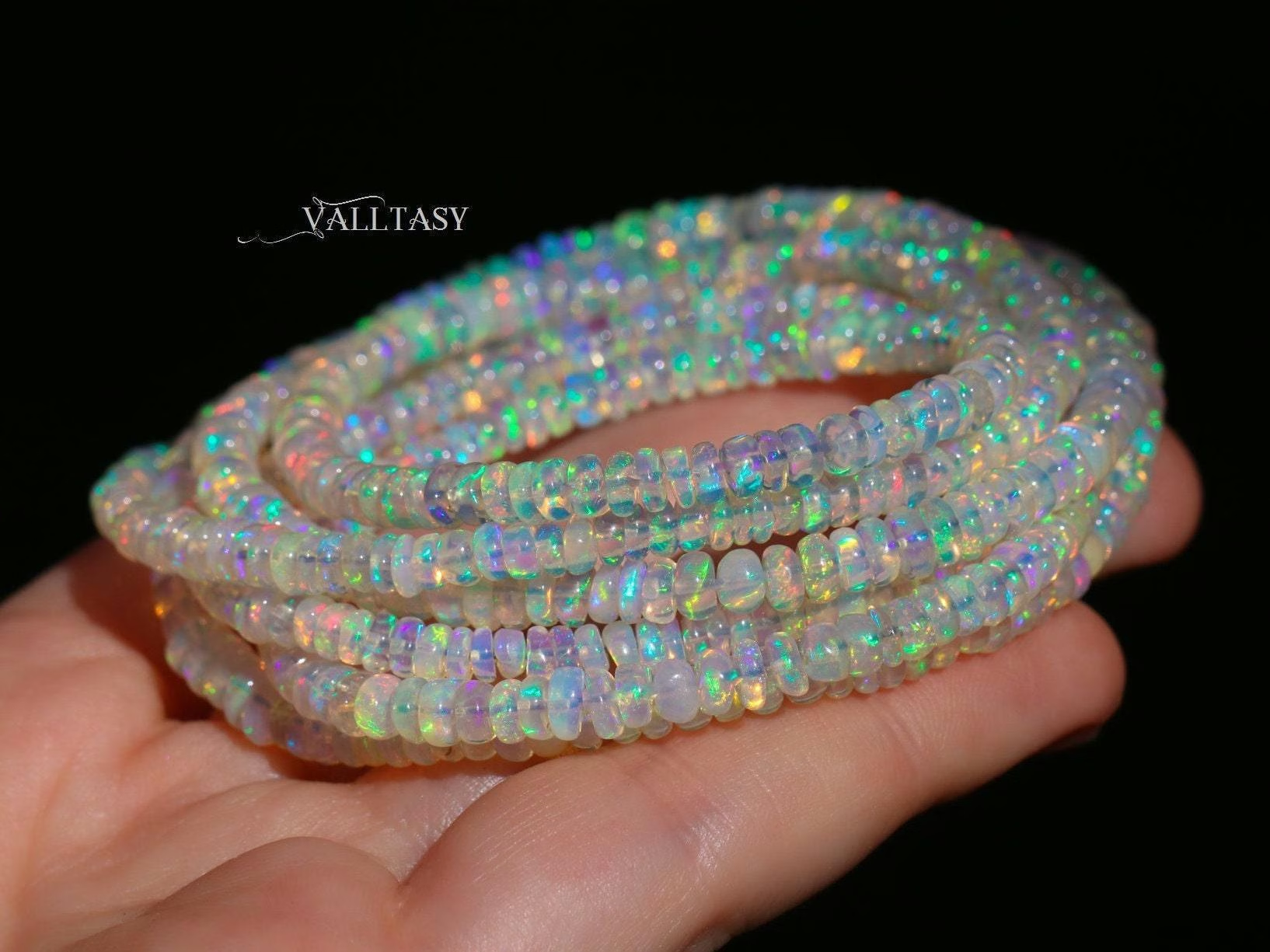
Ethiopian Opals are pure magic, with a play of color that shifts and dances in the light. But they are also more delicate than most gemstones because they are porous, meaning they can absorb liquids, oils, and even humidity from the air. Here’s how to keep your Opal pieces looking their best:
- Never get them wet. No shower, no swimming, no sauna, no hot tub. Even salty sweat can be absorbed by Opals, so remove them before exercising.
- Avoid lotions, oils, and makeup near your Opals. These can seep into the stone and cloud its fire. Opal jewelry should truly be the very last thing you put on when dressing.
- Keep them away from humidity. High humidity environments (like a steamy bathroom) can affect the stone over time.
- Avoid extreme temperature changes. Going from a very hot to very cold environment quickly can stress the stone. Opals prefer consistent, moderate conditions.
- Store in airtight bags. When you’re not wearing your Opal pieces, place them in an airtight bag or container. This protects them from humidity and dust.
- No liquid chemicals. Keep household cleaners, perfumes, and any liquid chemicals away from your Opals.
- Clean metals only with a polishing cloth. Don’t use water or soap on Opal jewelry. Simply wipe the metal parts gently with a dry jewelry polishing cloth.
For a deeper look at these wonderful gemstones, check out my Ethiopian Opal Jewelry guide.
💬 WHAT CUSTOMERS SAY
“The Opals in this piece are magical and Valerya puts so much light and love into her work… I feel very privileged to own this jewelry!”
– Deborah B., on the Fairy Dust Bracelet

How to Clean Your Gemstone Jewelry
Regular, gentle cleaning keeps your pieces looking like new. Here’s the safe method for most gemstone jewelry:
- Prepare a bowl of warm (not hot) water with a drop of mild dish soap.
- Soak for 2-3 minutes. Let the jewelry sit so any buildup loosens.
- Gently brush with a soft toothbrush, paying attention to areas around the gemstone settings where dirt collects.
- Rinse thoroughly under clean running water (plug the drain first!).
- Pat dry with a soft, lint-free cloth. Don’t rub gemstones harshly.
IMPORTANT
Do NOT use this method on Ethiopian Opals, Pearls, Emeralds, Turquoise, Amber, Coral, or Onyx. These porous gemstones can be damaged by water and soap. For these stones, simply wipe the metal parts with a dry jewelry polishing cloth. For my full step-by-step cleaning guide with special instructions for each gemstone type, read How to Clean Gold Jewelry with Gemstones at Home.
Storing Your Jewelry
How you store your jewelry matters just as much as how you wear it. A few simple rules will prevent scratches, tangles, and tarnishing:
- Store each piece separately. Harder gemstones (like Sapphire and Topaz) can scratch softer ones (like Opal and Moonstone). Use individual soft pouches or lined compartments.
- Use airtight bags to prevent tarnishing. Even solid gold benefits from airtight storage to keep dust and humidity away. For Ethiopian Opals, this is essential.
- Keep away from direct sunlight. Prolonged sun exposure can fade some gemstones (especially Amethyst, Citrine, and Rose Quartz) over time.
- Avoid the bathroom. The humidity from hot showers can affect both metals and stones. Store your jewelry in a dry, cool spot in your bedroom instead.
For my complete guide on storage mistakes to avoid (and smart solutions for every type of gemstone), read How to Store Gemstone Jewelry: Avoid These Common Mistakes.
Bracelet Care Tips
Bracelets are high-wear pieces because your wrists are always in motion. They need a little extra attention:
- Be careful not to snag. Bracelets can catch on clothing, bags, and furniture. Be mindful when reaching into bags or pulling on sleeves.
- Don’t pull hard. If a bracelet gets caught, gently untangle it rather than pulling. Yanking can stress the wire, silk, or chain.
- Keep bracelets dry. Even with solid gold bracelets, the constant motion of your wrist means water can get trapped between beads or wire wraps, potentially causing buildup over time.
- Remove before sleeping. Bracelets are especially vulnerable to bending and snagging during sleep because of how much your wrists move.
When to Seek Professional Help
Even with the best care, jewelry may need professional attention over time. Here are signs it’s time to visit a jeweler:
- Loose stones: If a gemstone wobbles or rattles in its setting, stop wearing the piece immediately and bring it to a professional before the stone falls out.
- Worn prongs: Prongs that look flat, thin, or bent can no longer hold a stone securely.
- Broken clasps or chains: A faulty clasp puts your entire piece at risk. Don’t try to fix this with household tools.
- Scratched gemstones: A lapidary (gem cutter) can often repolish harder stones like Sapphire and Topaz.
- Silk restringing: Silk knotted necklaces and bracelets should be restrung every 1-2 years with regular wear, or whenever the silk looks stretched or frayed.
For a complete breakdown of DIY vs. professional repairs, read my Gemstone Jewelry Repair guide. And if you’d like to repurpose gemstones from an old piece into a new design, check out my custom orders page.
COMMON QUESTIONS
Jewelry Care FAQ
Can I wear my solid gold jewelry in the shower?
Yes! Jewelry that is fully made in 14K Solid Gold with natural, undyed gemstones is completely water-resistant. Solid gold never tarnishes and natural gemstones keep their sparkle. My Gemmy wire-wrapped pieces are designed to be worn 24/7. However, silk knotted jewelry and Ethiopian Opal pieces should always be kept dry.
How often should I clean my gemstone jewelry?
A gentle clean every few weeks is ideal for pieces you wear regularly. Use warm water with a drop of mild soap and a soft toothbrush. For porous stones like Opal, Pearl, and Emerald, skip the water and use only a dry polishing cloth. For a full step-by-step guide, read my cleaning guide.
Why do my Ethiopian Opals need special care?
Ethiopian Opals are hydrophane, meaning they are porous and can absorb water, oils, lotions, and even humidity. When they absorb liquids, their beautiful play of color can become temporarily cloudy or the stone can be permanently damaged. That’s why I always recommend keeping them completely dry and storing them in airtight bags when not being worn.
What's the best way to store gemstone jewelry?
Store each piece separately in a soft pouch or lined compartment. Use airtight bags for Ethiopian Opals and silver pieces. Keep your jewelry in a cool, dry spot away from direct sunlight and bathroom humidity. For my complete storage guide, read How to Store Gemstone Jewelry.
Can I wear my jewelry to the beach or pool?
I’d recommend removing your jewelry before swimming. Chlorine (in pools) and salt water (at the beach) can both damage gemstones and metals over time. Sand can also scratch softer stones. If you’re looking for pieces you can wear more freely during summer adventures, my solid gold wire-wrapped designs are the most durable option. Check out my summer jewelry guide for more tips.
I have a question about caring for a specific piece
I’m always happy to help! Every gemstone and every design has its own personality, and I know each piece I make inside and out. Just send me a message and I’ll give you specific care advice for your piece.
SOMETHING SPECIAL
Explore the Ethiopian Opal Collection
Each Opal is hand-picked for its fiery play of color. Pieces that truly come alive on your skin.
Shop Ethiopian OpalsFIND YOUR NEXT FAVORITE
Best Selling Gemstone Jewelry
Each piece is handmade with love and care. Now that you know how to look after them, treat yourself to something beautiful ❤️

KEEP READING
More Helpful Guides
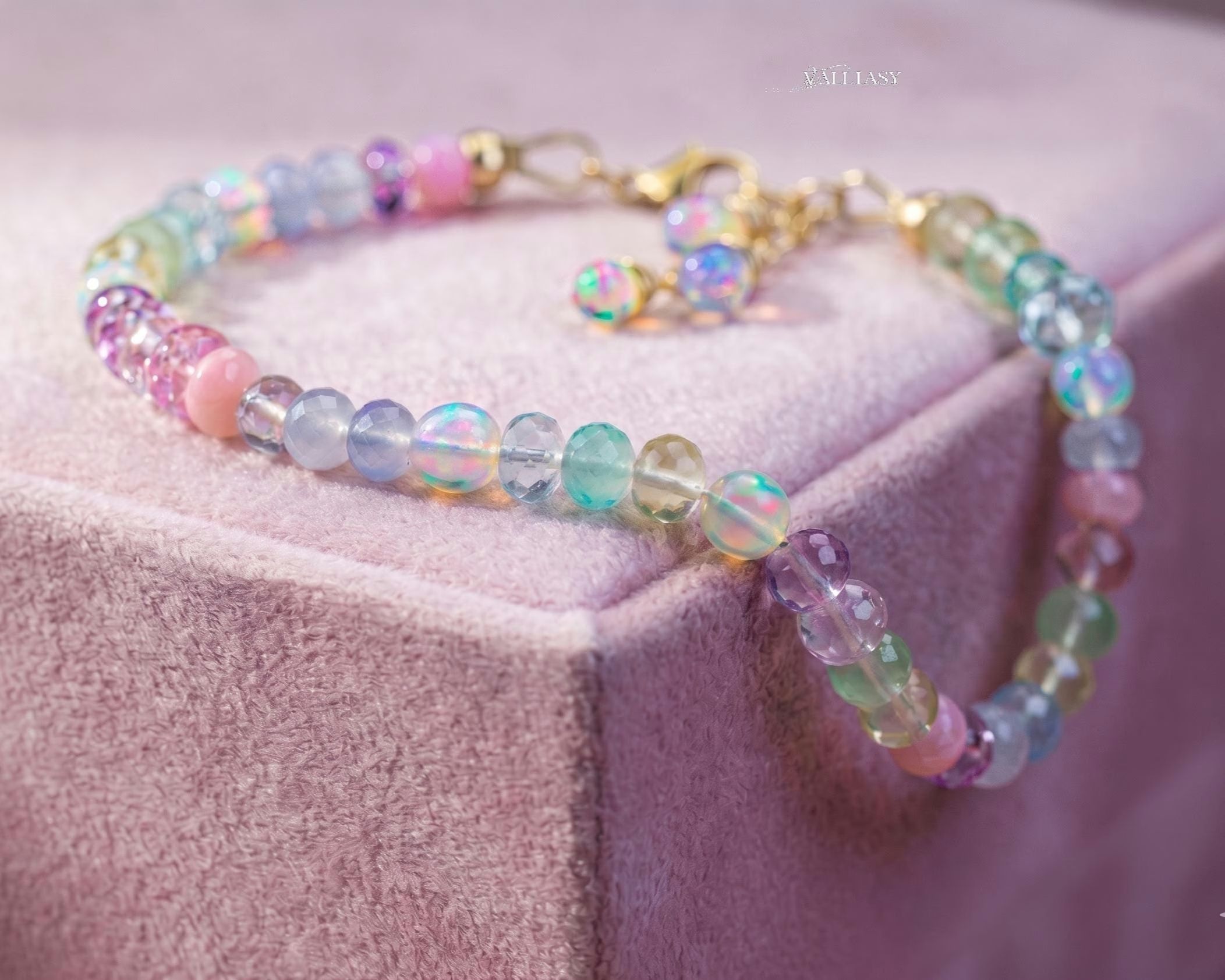
Can Water Ruin an Opal? What I Tell Every Customer
The most common question I get about Ethiopian Opal: can it get wet? Here's the [...]
01
Oct
Oct
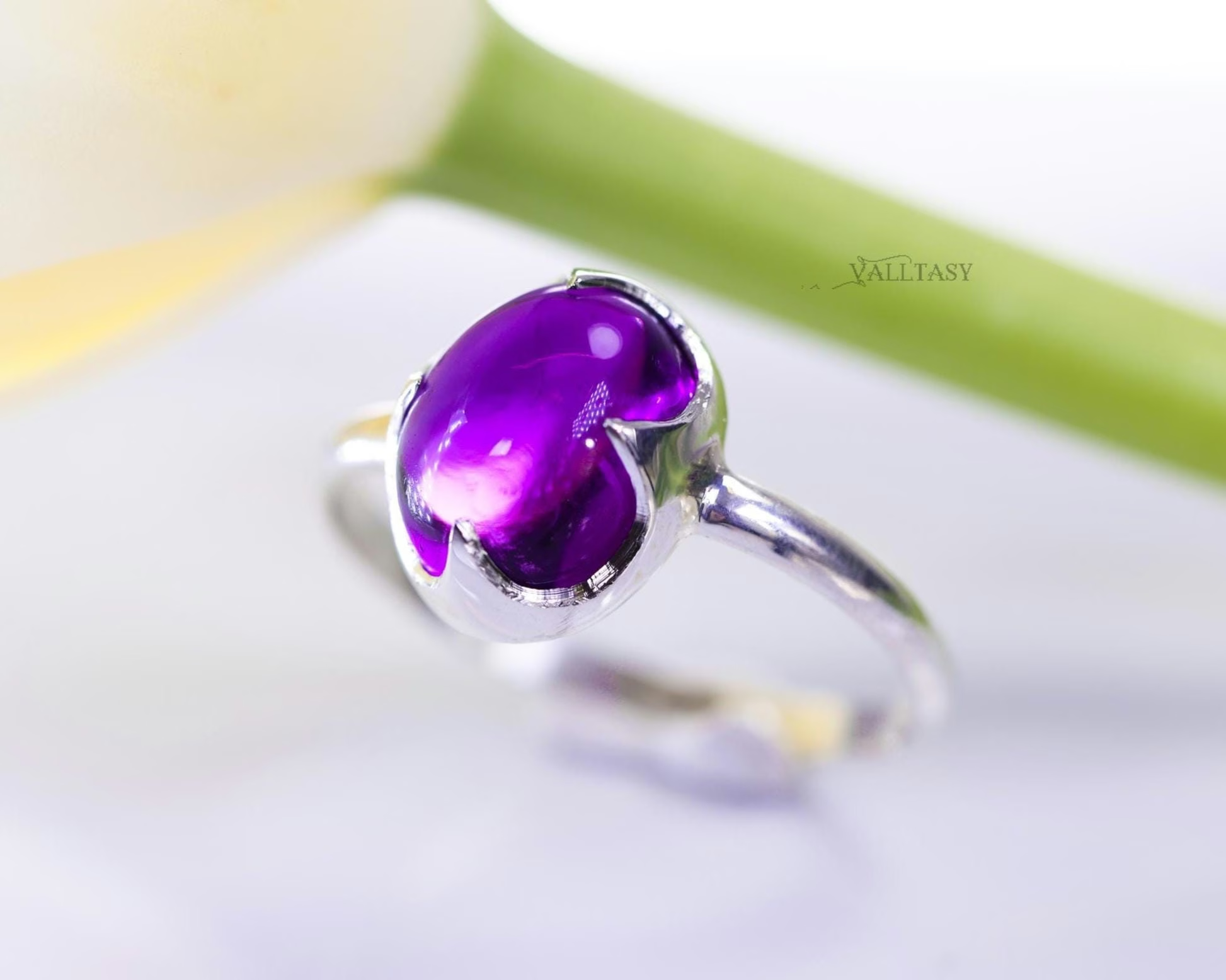
Keeping Sterling Silver Jewelry Bright: A Simple Tarnish Guide
If your sterling silver has gone a little dark, do not worry, it is not [...]
08
Sep
Sep


