
No items in the cart




How to Store Gemstone Jewelry: Avoid These Common Mistakes
Protect your gemstone jewelry from damage with these smart storage tips. Common mistakes like sunlight exposure and humidity can ruin your favorite pieces. Learn how to store different gemstones, organize your collection, and keep everything sparkling.
By Valerya | 7 min read
KEY TAKEAWAYS
- Sunlight, humidity, and chemicals are the top three threats to your gemstone jewelry
- Different gemstones need different storage conditions (Opals need moisture, Pearls need air)
- Always store pieces separately to prevent scratches and tangling
- Clean your jewelry before storing to prevent tarnish buildup
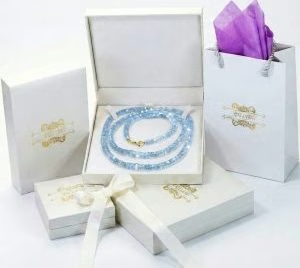
- A quality jewelry box with lined compartments is the best investment for your collection
Why Proper Storage Matters
I get asked about gemstone jewelry storage more than almost any other topic, and for good reason. How you store your pieces has a huge impact on their longevity and beauty. Gemstones and metals can be surprisingly sensitive to their environment, and small mistakes add up over time.
Sunlight, humidity, chemicals, and even contact with other jewelry can cause fading, scratches, and tarnish that’s sometimes impossible to reverse. I’ve seen gorgeous pieces come in for repair with damage that could have been easily prevented with better storage habits.
The good news? A few simple changes can protect your collection for years to come. I’m going to share what I’ve learned through years of working with gemstones, so your pieces stay as vibrant as the day you got them.
Common Storage Mistakes to Avoid
Even with the best intentions, many of us make storage mistakes without realizing it. Here are the biggest ones I see:
1. Exposing Jewelry to Sunlight
Prolonged sunlight can fade and dull certain gemstones. Amethyst, Topaz, and Rose Quartz are particularly vulnerable to UV damage. I always store my pieces in a cool, dark spot, well away from windowsills. Even a few weeks of direct sun exposure can noticeably change the color of sensitive stones.
2. Storing in Humid Environments
Moisture is the enemy of many gemstones and metals. Humidity causes tarnish on gold-filled and sterling silver settings, and can deteriorate softer stones like Opals and Pearls. Bathrooms and basements are the worst spots for jewelry storage. A dry bedroom closet or dresser drawer is a much better choice.
3. Contact with Chemicals
Perfumes, hairsprays, lotions, and household cleaners can react with both gemstones and metals. I recommend putting your jewelry on last when getting ready, and taking it off first when you get home. This simple habit prevents most chemical damage.
4. Tossing Everything Together
Storing all your jewelry in one pile leads to scratches, tangling, and chipped stones. Harder gemstones like Diamonds and Sapphires (9-10 on the Mohs hardness scale) can easily scratch softer ones like Opals and Pearls.
Storage by Gemstone Type
Different gemstones have different needs, and understanding those differences is key to keeping your collection in top shape. Here are my recommendations for the most common types:
Opals
Opals contain natural water and can crack if they dry out. Store them in a soft cloth pouch and consider keeping a small damp cotton pad nearby in very dry climates. Never store Opals in completely airtight containers without some moisture source.
Pearls
Pearls need a bit of moisture and air circulation. Store them in a soft cloth pouch, and avoid plastic bags which can trap chemicals. Fun fact: wearing your Pearls regularly actually helps keep them hydrated from your skin’s natural oils.
Diamonds and Sapphires
These are very hard stones (9-10 on the Mohs scale) and can scratch everything around them. Always store them in their own individual compartment, well separated from softer gemstones.
Amethyst and Topaz
Keep these away from light and heat. Both can fade with prolonged sun exposure. A dark, cool compartment inside your jewelry box works perfectly.
PRO TIP
Turquoise is a porous stone that absorbs oils and chemicals easily. Store it in a soft cloth bag and keep it well away from perfumes and lotions.
Proper Storage Methods
Now that you know what to avoid, here are the storage methods I personally use and recommend:
- Invest in a quality jewelry box. A lined box with individual compartments is the gold standard. Soft velvet or satin lining prevents scratches and absorbs small amounts of moisture.
- Use anti-tarnish bags or strips. These absorb sulfur and excess moisture, keeping metal settings bright. I include them with every piece I ship, and I keep them in my own storage too.
- Store each piece separately. Individual soft pouches work great for pieces you don’t wear often. For everyday jewelry, separate compartments keep things organized and protected.
- Keep your storage area cool and dry. Avoid bathrooms, kitchens, and areas with temperature swings. A bedroom closet or dresser drawer is ideal.
- Group by type and rotate. Organize by rings, necklaces, bracelets, and earrings. Rotate your stored pieces every few months to ensure even exposure to air.
Travel Storage Tips
Traveling with jewelry requires some extra thought. Here’s what I always do:
Use a travel jewelry roll or case with individual compartments. These prevent pieces from shifting and rubbing against each other during transit. For necklaces, try threading each one through a drinking straw to prevent tangling. It’s a simple trick that really works!
Wrap delicate pieces individually in soft tissue paper or microfiber cloths. Always keep your travel jewelry in your carry-on bag, never in checked luggage. And bring only what you’ll actually wear to minimize risk.
DIY Storage Solutions
You don’t need to spend a fortune on gemstone jewelry storage. Here are some creative and affordable options that work wonderfully:
- Use small zip-lock bags (one piece per bag) inside a padded box. Add silica gel packets to control moisture.
- An ice cube tray lined with soft cloth makes a great ring and earring organizer.
- Egg cartons lined with cotton balls are perfect for larger pieces like bracelets.
- Small stackable containers from craft stores work beautifully for sorting by type or color.
- A simple corkboard with small hooks is great for hanging necklaces and preventing tangles.
REMEMBER
Always clean your jewelry before storing it. Body oils, lotions, and dirt left on pieces can cause tarnish and dulling over time. A gentle wipe with a soft microfiber cloth is all you need. For more cleaning tips, check out my jewelry care guide.
“How you store your jewelry is just as important as how you wear it. A little care goes a long way in keeping your pieces beautiful for years to come.”
WHAT CUSTOMERS SAY
“I am so glad I discovered Valerya seven years ago! The quality of the gems are always the best, and this piece is just beautiful!”
– Bonnie G., on the The Lollipop Charm
COMMON QUESTIONS
Gemstone Jewelry Storage FAQ
Should I store my jewelry in the bathroom?
No, and this is one of the most common mistakes I see. Bathrooms have high humidity from showers and baths, which causes tarnish on metal settings and can damage moisture-sensitive gemstones. Store your jewelry in a cool, dry area like a bedroom closet or dresser drawer instead.
Can I store all my gemstone jewelry together?
It’s best not to. Harder gemstones like Diamonds and Sapphires can scratch softer stones like Opals, Pearls, and Turquoise. Use individual compartments or soft pouches for each piece to keep everything safe.
How do I prevent my necklaces from tangling in storage?
Hang them on a jewelry stand, or try threading each necklace through a drinking straw before storing. Individual soft pouches also work well for keeping chains separated and tangle-free.
Do I need to clean jewelry before storing it?
Yes! Body oils, lotions, and everyday dirt can cause tarnish and dull your gemstones over time. Give each piece a gentle wipe with a soft microfiber cloth before putting it away. It only takes a few seconds and makes a real difference.
What's the best way to store opal jewelry?
Opals contain natural water and can crack in very dry conditions. Store them in a soft cloth pouch and avoid completely airtight containers. In very dry climates, placing a slightly damp cotton pad near your Opals can help maintain the right moisture level.
How often should I check on stored jewelry?
I recommend checking your stored pieces every 2-3 months. Look for signs of tarnish, loose settings, or any damage. This is also a great time to rotate the pieces you’re wearing and give everything a quick wipe down.
TREAT YOURSELF
Looking for Your Next Favorite Piece?
Browse my best sellers and find something that speaks to you.
Shop Best SellersFIND YOUR NEXT FAVORITE
Best Sellers
Each of these pieces is handmade with love and designed to bring a pop of color to your everyday style ❤️



1 person has this in their cart

KEEP READING
More Helpful Guides
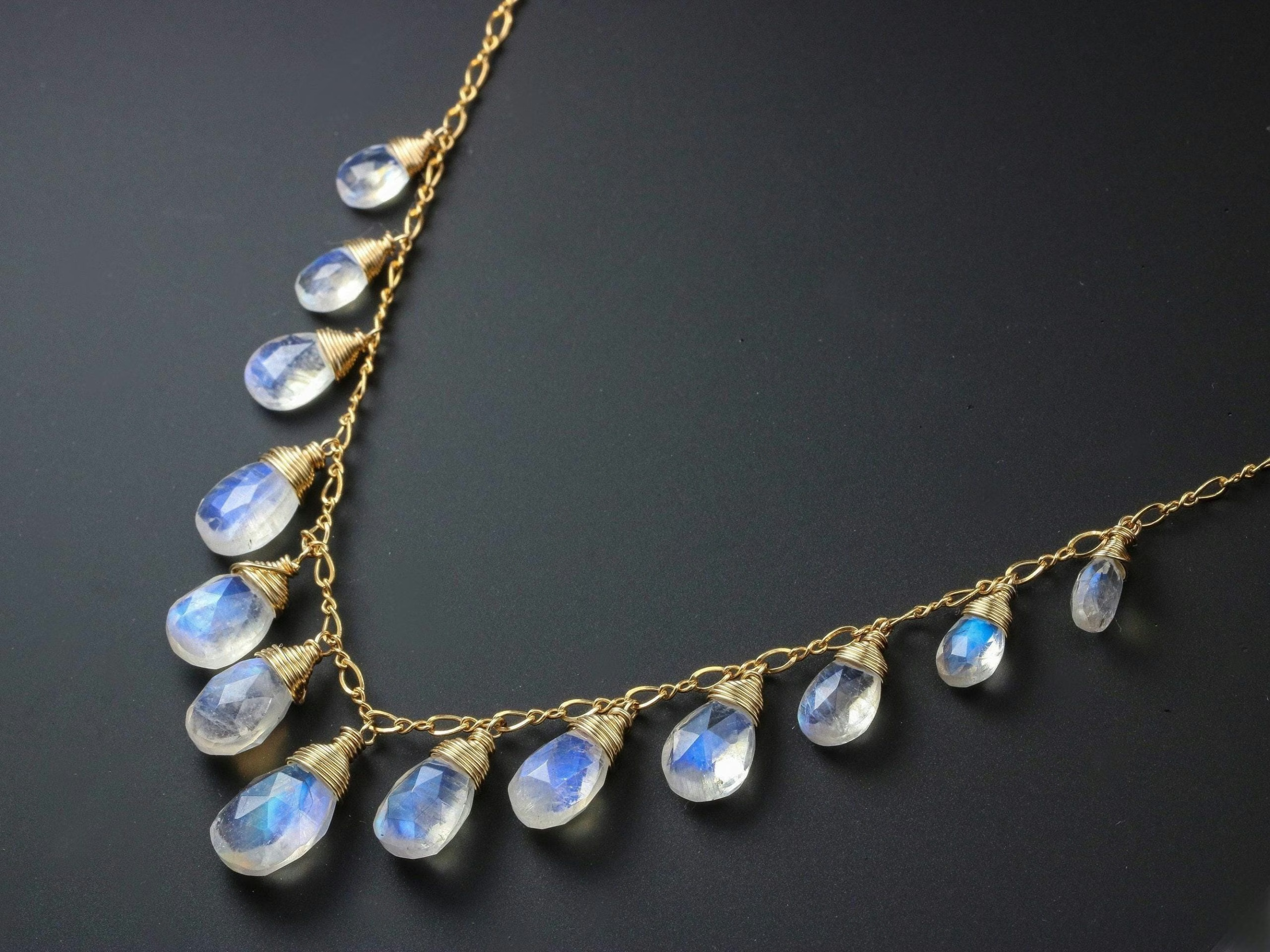
Gemstone Jewelry for Your Wedding: Colorful Alternatives to Diamonds
More brides are choosing colored gemstones over Diamonds, and the results are stunning. From Moonstone [...]
16
Apr
Apr
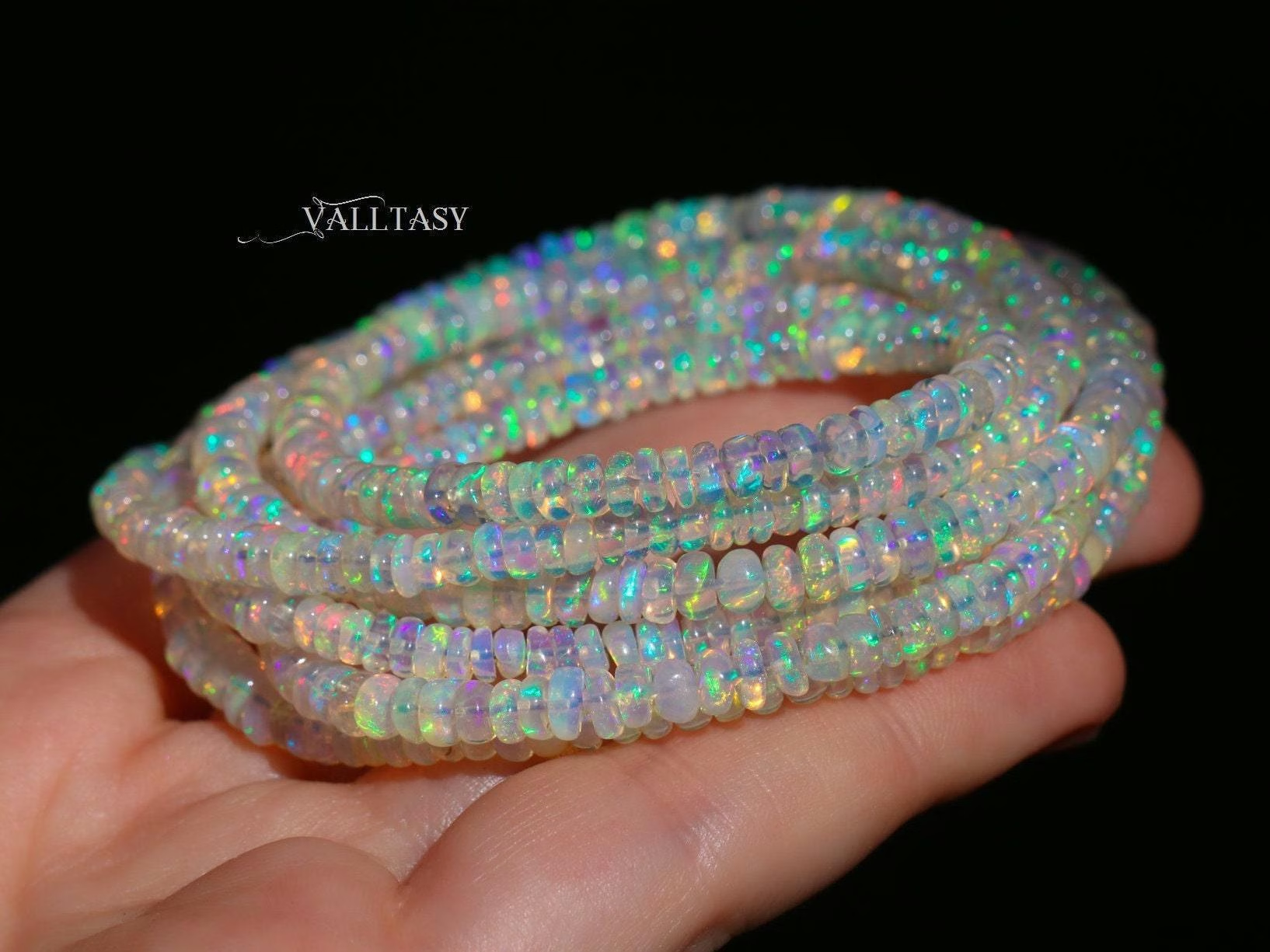
How to Care for Gemstone Jewelry: The Complete Guide
Your gemstone jewelry was made with love and care, and with a few simple habits [...]
15
Apr
Apr


