
No items in the cart




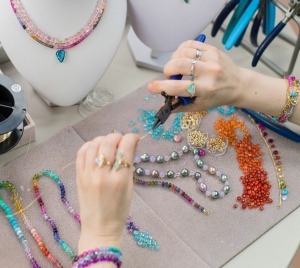

Amethyst Color: Shades of Purple, Pink, and Beyond
Amethyst ranges from pale lilac to deep royal purple, and even rare pink and bicolor varieties. What gives amethyst its color, how to choose the right shade for your skin tone, and how to care for this stunning gemstone.
By Valerya | 8 min read
KEY TAKEAWAYS
- Amethyst color ranges from pale lilac to deep royal purple, with rare pink and bicolor varieties
- Iron traces and natural radiation inside quartz crystals give amethyst its purple color
- The most valuable amethyst shades are deep royal purple with red or blue flashes
- Your skin tone and metal setting both affect which amethyst shade looks best on you
What Color is Amethyst?
If you’ve ever asked “what color is amethyst?”, the answer starts with purple, but it goes so much further. Amethyst is the purple variety of quartz, and it’s one of my all-time favorite gemstones to work with. The color can range from the softest, barely-there lilac to a deep, saturated royal purple that almost seems to glow in certain light.
What I love most about amethyst is that no two stones look exactly the same. Even within a single crystal, you can see color zoning where lighter and darker areas blend together naturally. Every piece I create has its own personality because of how the amethyst color shifts and plays with light.
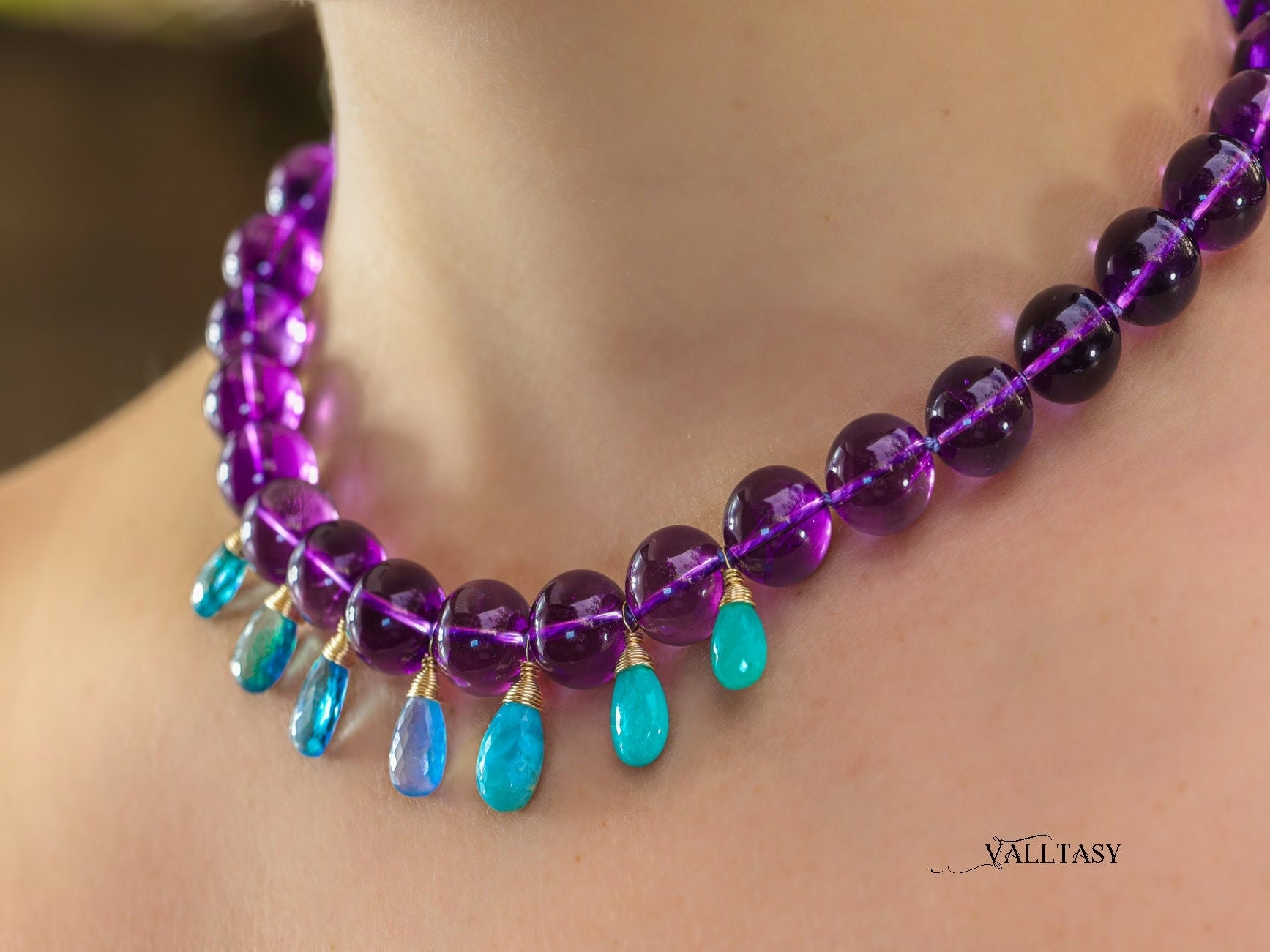
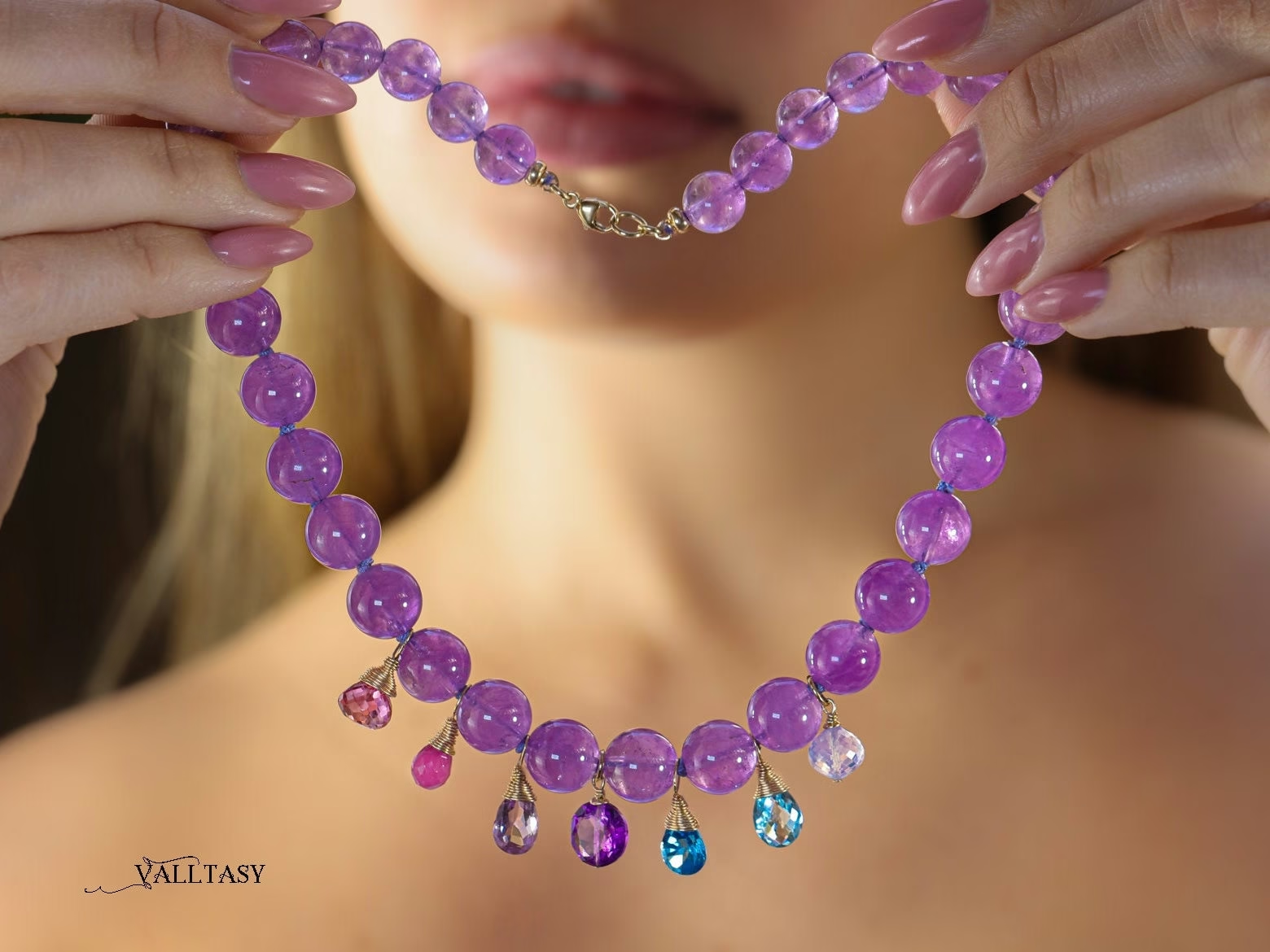
The Enigma Necklace in solid 14K gold, showing the full range of natural amethyst color
The Spectrum of Amethyst Colors
Amethyst comes in a beautiful range of shades, and each one creates a completely different mood in jewelry. Here are the main amethyst colors you’ll come across:
Shades of Amethyst
- Pale Lilac – A soft, delicate shade with just a whisper of purple. It has a romantic, airy quality that pairs beautifully with rose gold or yellow gold settings.
- Lavender – A medium-light purple with subtle pink undertones. This shade feels fresh and feminine, perfect for everyday jewelry.
- Medium Purple – The classic amethyst color most people picture. It’s versatile and works beautifully with any metal and any outfit.
- Deep Royal Purple – A rich, intense violet with flashes of red or blue. This is the most prized shade of amethyst, often called “Siberian” quality.
- Dark Grape – An almost inky purple that appears nearly black in low light but reveals deep violet tones in sunshine. Very dramatic and bold.
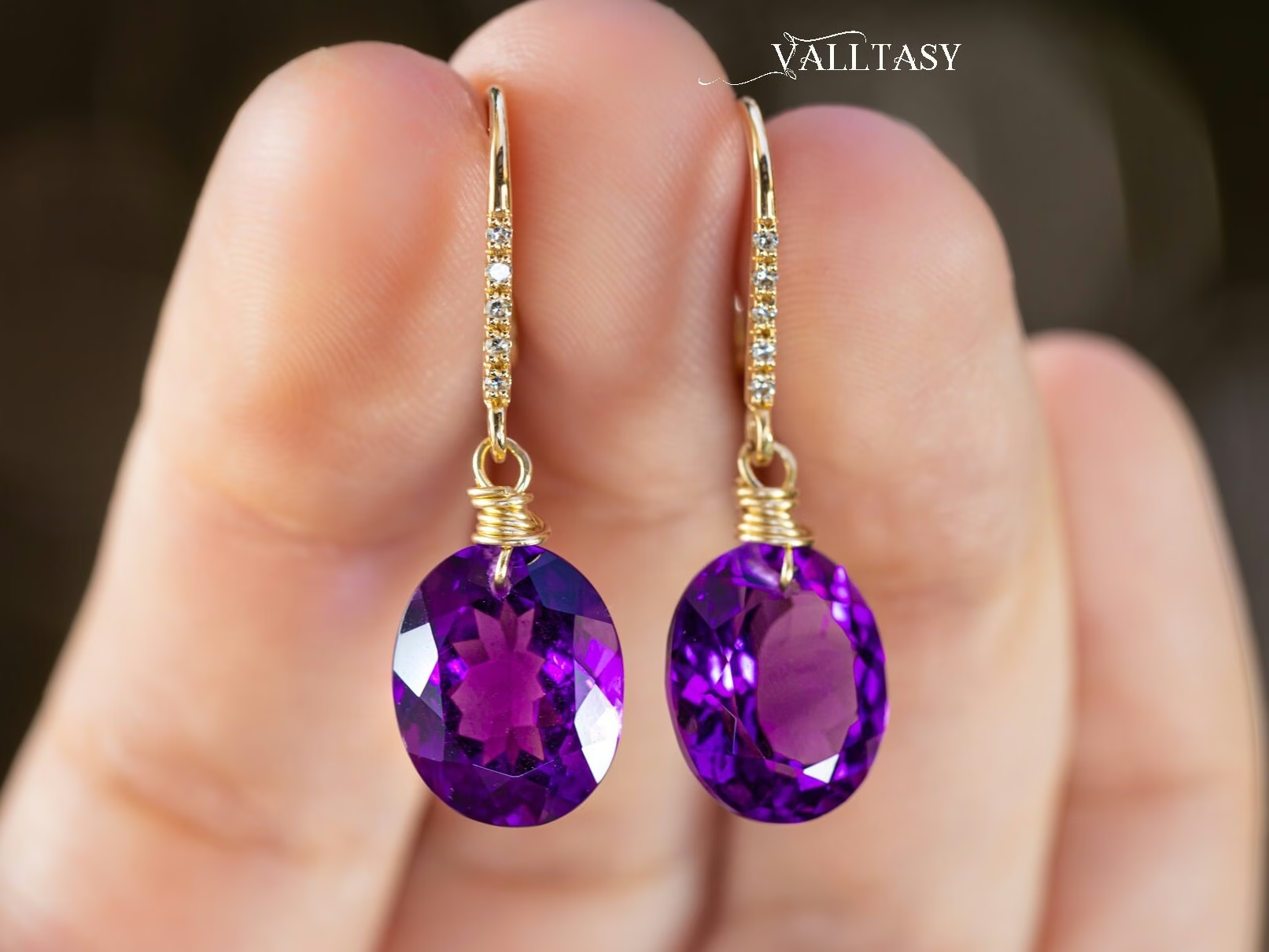
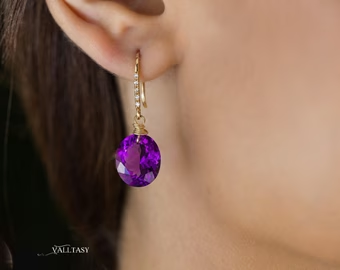
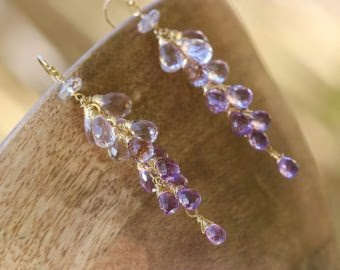
The Twilight Earrings in Solid Gold 14K, showing the rich royal purple of natural amethyst
Beyond Purple: Pink Amethyst, Ametrine, and Fire Amethyst
While purple is the signature amethyst color, some rare varieties break the mold entirely. These are some of my favorites to source because they always surprise people.
Pink Amethyst is a soft, pastel pink variation that comes almost exclusively from Patagonia, Argentina. It gets its gentle blush tone from a different type of iron inclusion than regular amethyst. I’ve used pink amethyst in several of my statement earring designs, and customers always love how unexpected and delicate it looks.
Ametrine is a natural bicolor gemstone that combines amethyst’s purple with citrine’s golden yellow in one stone. The two colors sit side by side in distinct zones, creating a striking split effect. Ametrine is found primarily in Bolivia, and high-quality pieces are quite rare.
Fire Amethyst (also called Red Amethyst) contains tiny hematite inclusions that give the stone a reddish shimmer, especially near the surface. The result is an exciting blend of purple and red that looks different from every angle.
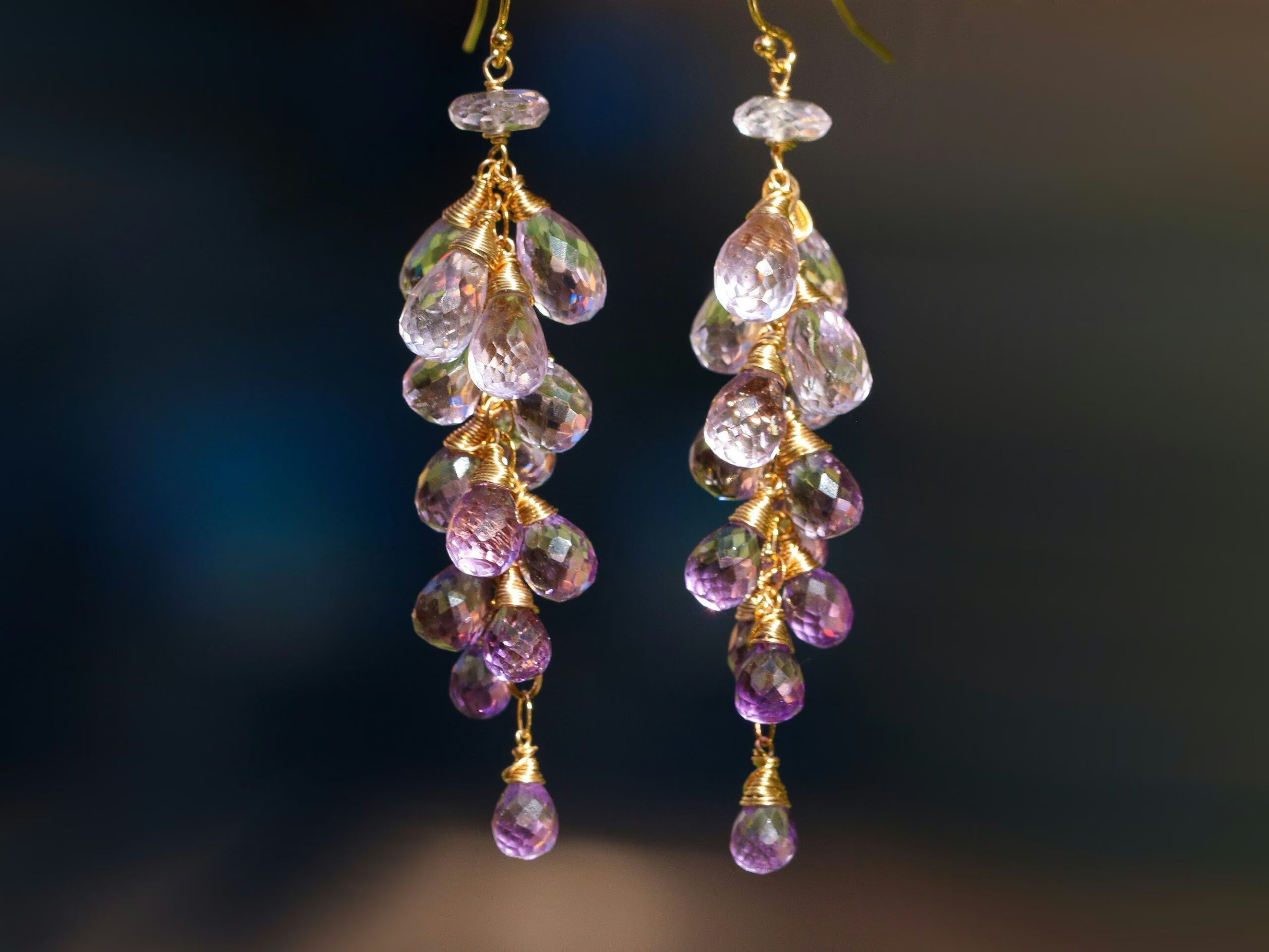
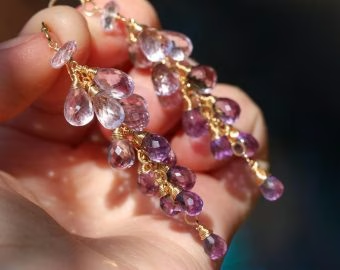
The Orchid Blossom Earrings, featuring rare pink amethyst in solid 14K gold
FEATURED AMETHYST PIECES
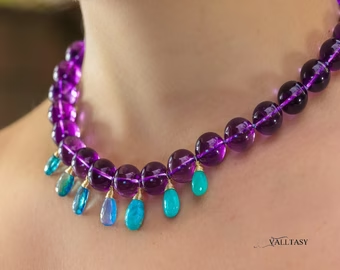
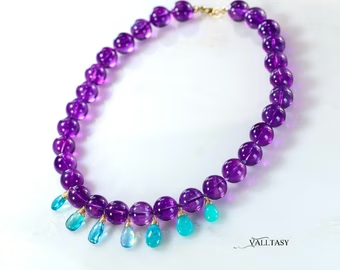
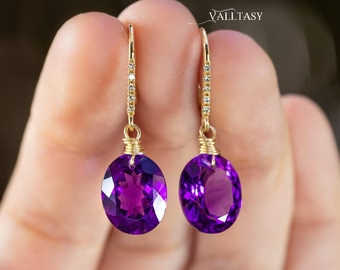
Amethyst Jewelry from My Collection
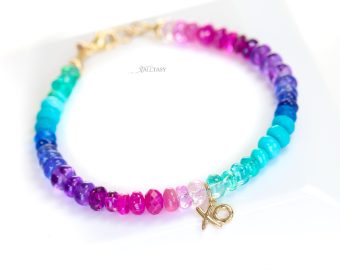
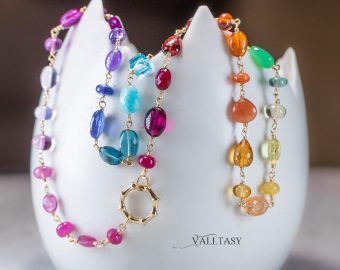
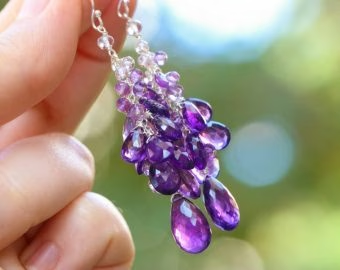
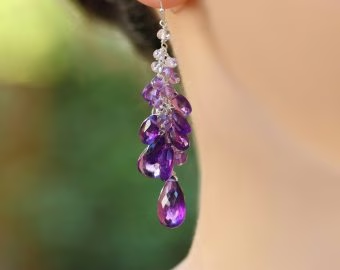
Each of these pieces showcases a different side of amethyst’s beautiful color range, from deep purple to delicate pink. Every stone is hand-selected and wire-wrapped with care ❤️
What Gives Amethyst Its Color?
The science behind amethyst’s color is truly fascinating. Amethyst is a type of quartz (silicon dioxide), and on its own, quartz is completely colorless. The purple comes from trace amounts of iron that get trapped inside the crystal structure as it forms deep underground.
But iron alone isn’t enough. The crystal also needs exposure to natural radiation from surrounding rocks over millions of years. This radiation changes how the iron atoms interact with light, producing the purple color we see. The amount of iron and the intensity of radiation determine whether a stone turns out pale lavender or deep royal purple.
Where the amethyst forms also matters. Stones from Zambia and the Ural Mountains tend to have deeper, more saturated colors, while Brazilian amethyst often leans lighter. Uruguay produces some of the most intensely colored amethyst in the world, with rich purple and prominent red flashes.
How to Choose the Right Amethyst Shade
Choosing the perfect amethyst color is very personal, and there’s no wrong answer. That said, here are a few things I always tell my customers:
Tips for Picking Your Shade
- Skin tone matters. Lighter shades of amethyst (lilac, lavender) tend to complement fair and cool skin tones beautifully. Deeper shades like royal purple look stunning on warmer and darker skin tones.
- Think about the metal. Yellow gold warms up amethyst and brings out red undertones. White gold and silver create a cooler contrast that makes the purple pop.
- Consider the occasion. Pale lilac works well for everyday pieces, while deep purple makes a bold statement for special events or evening wear.
- Trust your instinct. I always say, pick the stone that makes your heart beat a little faster when you look at it. That’s the one for you ❤️
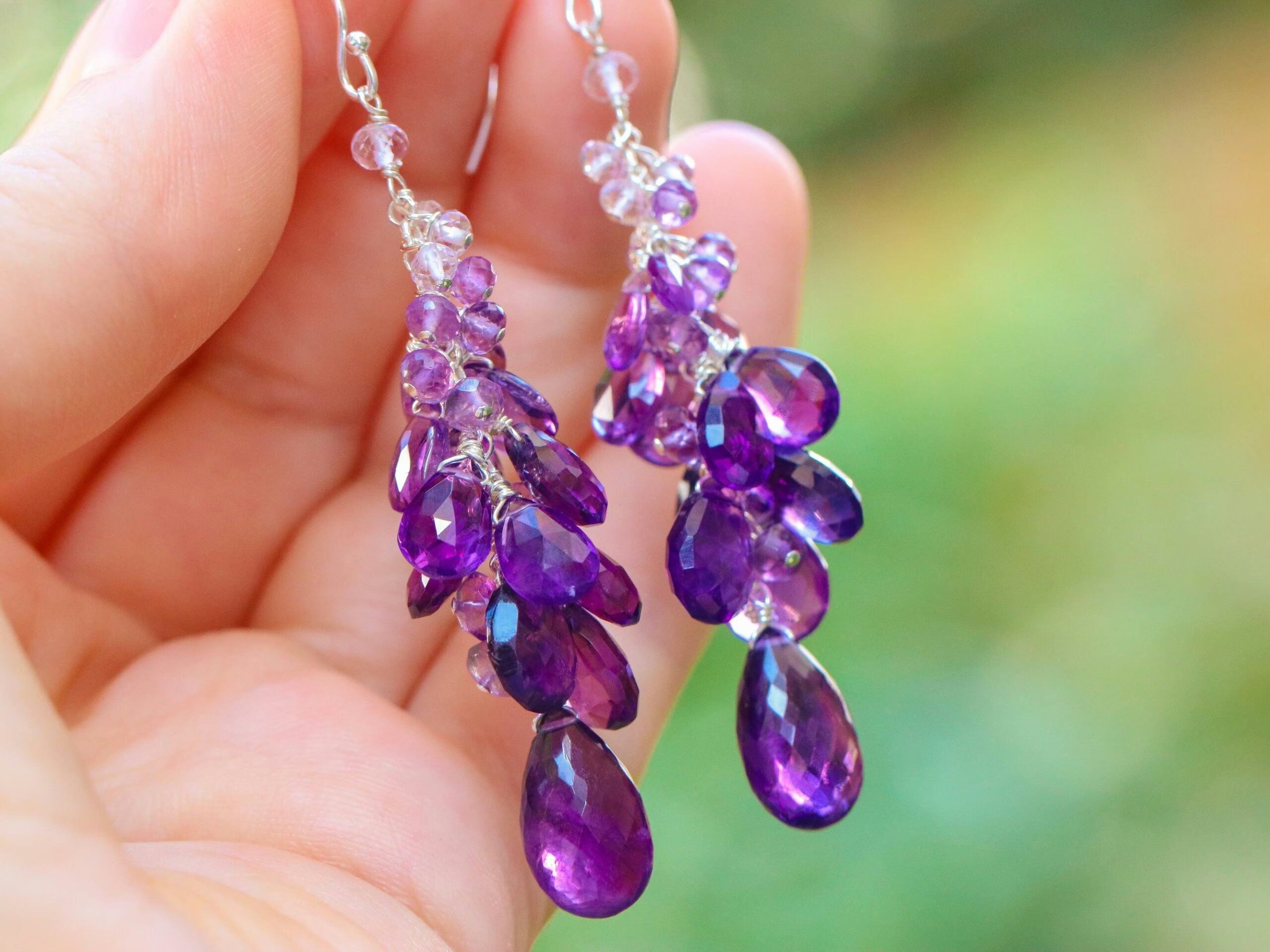
The Violet Dance Earrings, showcasing a cascade of different amethyst shades
Caring for Amethyst Jewelry
Amethyst is a relatively durable gemstone (7 on the Mohs hardness scale), which makes it suitable for everyday wear. But like any natural stone, it does need a bit of attention to stay looking its best. For more detailed advice, check out my gemstone jewelry care guide.
Simple Care Tips
- Clean gently. Warm soapy water and a soft brush are all you need. Avoid steam cleaners and ultrasonic cleaners.
- Keep away from prolonged sunlight. Amethyst can fade if exposed to strong, direct sunlight for extended periods. Store your pieces in a jewelry box or pouch when you’re not wearing them.
- Remove before chemicals. Take off your amethyst jewelry before using household cleaners, perfume, or hairspray.
- Store separately. Wrap pieces individually or use a lined jewelry box to prevent scratches from harder gemstones.
“Color has the power to influence our mood and emotions. A pop of color can make us feel happier, more alive.”
COMMON QUESTIONS
Amethyst Color FAQ
Does amethyst fade in sunlight?
Yes, amethyst can fade if exposed to strong, direct sunlight over a long period. The UV radiation gradually breaks down the color centers in the crystal. This doesn’t happen from casual daily wear or brief sun exposure, but I recommend storing your amethyst jewelry away from windowsills and not leaving it in direct sunlight for hours. If you take good care of your pieces, the color will stay vibrant for a lifetime.
What is the most valuable amethyst color?
The most valuable amethyst color is a deep, saturated royal purple with flashes of red or blue. In the gem trade, this is sometimes called “Siberian” quality, regardless of where the stone actually comes from. Stones with even color distribution and high clarity in this shade command the highest prices. That said, color preference is personal, and many collectors also prize rare pink amethyst or bicolor ametrine.
Can amethyst be pink?
Yes! Pink amethyst is a real and natural variety of amethyst. It gets its soft pink color from a different type of iron inclusion than traditional purple amethyst. Most pink amethyst comes from deposits in Patagonia, Argentina. It was only recognized as a distinct variety relatively recently and has become increasingly popular in fine jewelry for its gentle, calming appearance.
Is dark or light amethyst better?
Neither is objectively “better.” Darker amethyst tends to be more valued in the gem market and makes a bolder statement in jewelry. Lighter shades like lilac and lavender have a softer, more romantic feel and can be easier to wear every day. The best choice depends on your personal style, skin tone, and how you plan to wear the piece. I love working with both and often combine different shades in a single design for a beautiful gradient effect.
Where do the best amethysts come from?
Some of the finest amethyst comes from Brazil, Uruguay, Zambia, and historically, Siberia. Brazilian amethyst is abundant and comes in a wide range of shades. Uruguayan amethyst is known for its deep, rich color with distinctive red flashes. Zambian amethyst tends to have a more saturated blue-purple tone. Each origin produces stones with slightly different character, and I personally source from multiple regions to get the best variety of colors for my designs.
FIND YOUR PERFECT PURPLE
Ready to Wear Some Color?
Browse my collection of handmade amethyst jewelry, from delicate everyday pieces to bold statement designs.
Shop the CollectionFIND YOUR NEXT FAVORITE
Best Sellers
If you love the energy of color, you’ll love these popular pieces from my collection ❤️
KEEP READING
More Gemstone Guides
Gemstone Jewelry for Your Wedding: Colorful Alternatives to Diamonds
More brides are choosing colored gemstones over diamonds, and the results are stunning. From Moonstone [...]
16
Apr
Apr
How to Care for Gemstone Jewelry: The Complete Guide
Your gemstone jewelry was made with love and care, and with a few simple habits [...]
15
Apr
Apr


