
No items in the cart




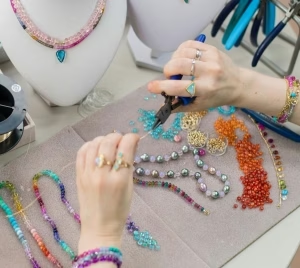

Natural Gemstones vs. Dyed: My Design Philosophy
Why I only use natural gemstones in my designs, and why it matters for your jewelry. This guide covers how dyed stones differ from natural ones, how to spot the difference, and why authentic gemstones are always worth choosing for lasting beauty and value.
By Valerya | 7 min read

KEY TAKEAWAYS
- Dyed gemstones are everywhere, often falsely labeled as natural Sapphires, Spinels, or Topaz
- Natural stones have depth, brilliance, and lasting color that dyed stones simply cannot match
- Dyed gemstones fade, weaken, and lose their beauty over time
- Every gemstone in Valltasy jewelry is natural, undyed, and personally verified by me
Why I Choose Natural Gemstones
In the last few years, dyed gemstones have become incredibly common among jewelry sellers. Many falsely label dyed stones as “Pink Sapphires,” “Pink Spinels,” or “Blue Topaz,” when in reality, they’re often cheap, white, dyed Opals or even glass. The temptation to use these vividly colored stones is real. They can create striking, vibrant designs at a fraction of the cost.
But I made a conscious choice early on to avoid dyed gemstones altogether. For me, authenticity is everything. When I hold a natural gemstone up to the light, the color glows from within. There’s a depth and brilliance that comes from millions of years of geological formation. You simply can’t replicate that with a dye bath.
The difference between a natural gemstone and a dyed one is like the difference between black velvet and black plastic. The color might look similar at first glance, but the feel, the depth, the way light interacts with it, those are worlds apart.
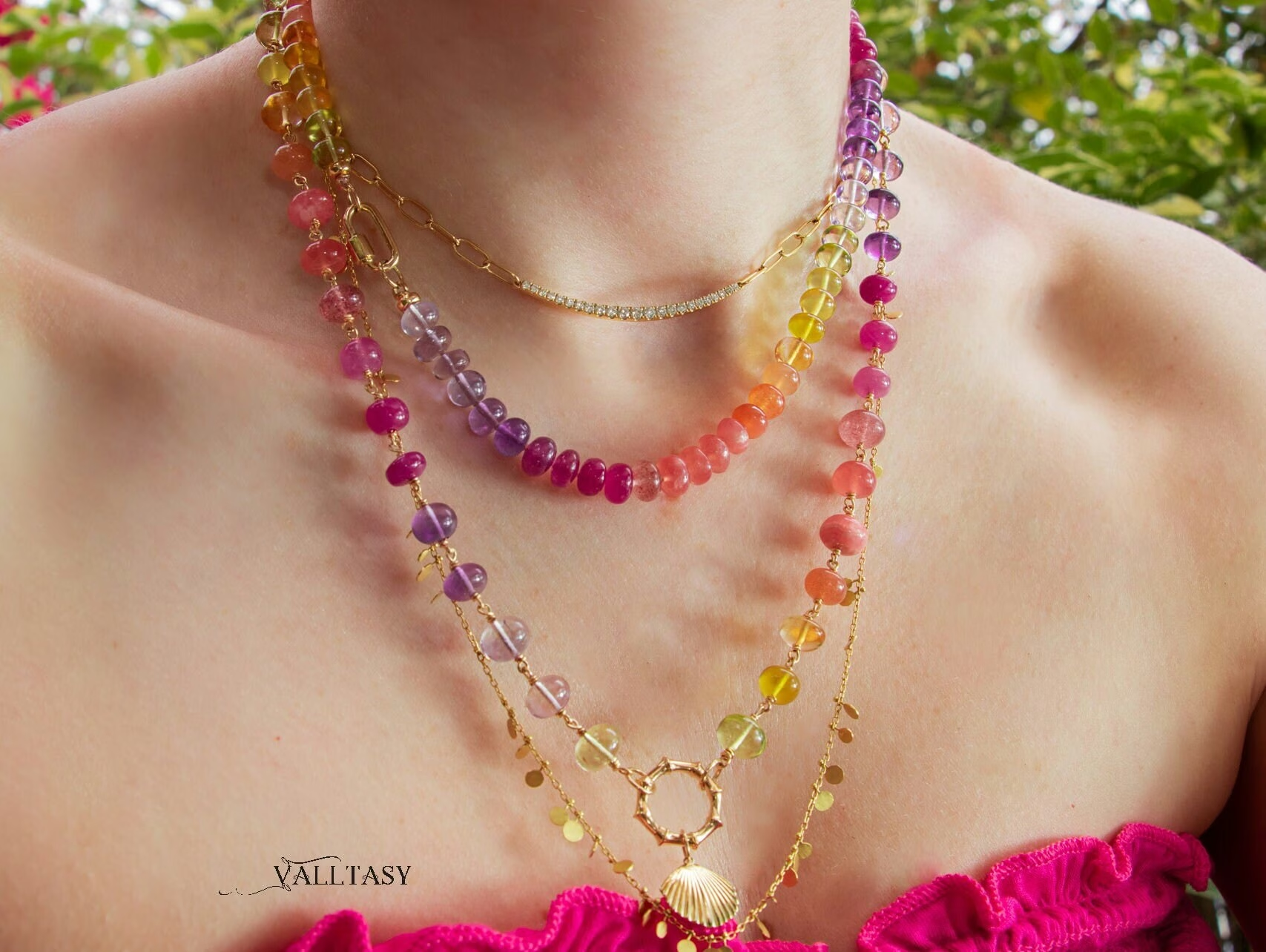
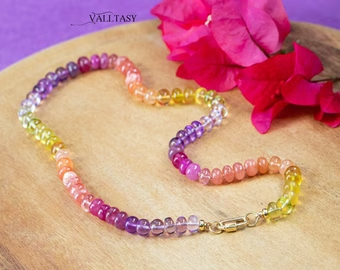
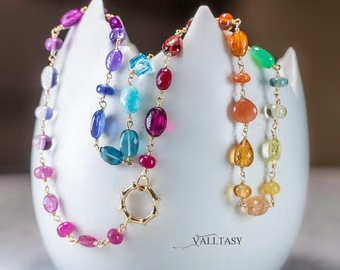
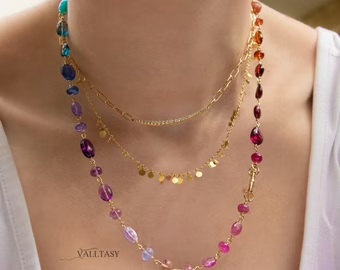
Silk knotted sunset necklace featuring all natural multi gemstones in solid 14K gold
What Happens When Gemstones Are Dyed
Understanding why dyed gemstones are problematic helps explain my philosophy:
- Color fades. Dyed color sits on the surface. Sunlight, chemicals, and even air exposure will strip the dye away over time. You’ll be left with dull, colorless stones.
- Structure weakens. The dyeing process often involves soaking stones in chemicals, which penetrates and weakens the internal structure. Dyed stones are more likely to crack or chip.
- Value drops. Dyed gemstones have virtually no resale or long-term value. Natural gemstones, on the other hand, can appreciate over time.
- Environmental harm. The dyeing process uses chemicals that can negatively impact the environment, from the dye production to the disposal of chemical waste.
How to Tell Natural from Dyed
I wrote a detailed guide on this topic: How to Spot Dyed Gemstones: 9 Signs to Watch For. Here are the key things to look for:
Visual Clues
- Check the drill hole. Dyed stones are often less colorful near the drill hole because dye concentrates on the surface.
- Look for color spots. Uneven patches of white or extra-colorful areas indicate inconsistent dye absorption.
- Inspect the thread. If the string or wire is stained with color, the stone is leaking dye. Natural gemstones never color the thread.
Price and Color Red Flags
- Too vibrant + opaque = suspect. Super vibrant opaque stones (fuchsia pink, kiwi green) are almost always dyed.
- Too good a price. You cannot get large, clear Sapphires or rubies for cheap. If it seems too affordable, it’s probably dyed.
- Too uniform. Natural gemstones have subtle color variations. Perfectly uniform color across an opaque stone is a red flag.
PRO TIP
Natural gemstones always have subtle variations and depth in their color. If a stone looks too perfect and too uniform, nature probably didn’t make it that way.
Why Natural Matters for Your Jewelry
Choosing natural gemstones over dyed ones is an investment in quality that pays off in several ways:
- Lasting brilliance. Natural gemstones maintain their color forever because the color is part of their mineral composition, not a surface coating.
- Durability. Without the weakening effects of chemical dye treatment, natural stones can last for generations. They’re ideal for heirloom pieces you pass down.
- Higher value. Natural gemstones hold and often increase in value over time, especially rare varieties. Dyed stones have virtually no resale value.
- Authenticity. There’s something meaningful about wearing a stone that nature created over millions of years. Each natural gemstone is genuinely one of a kind.
- Better for the planet. Natural stones don’t require the chemical processes used in dyeing, making them the more environmentally responsible choice.
My Personal Connection to Natural Stones
Dyed gemstones feel artificial and fake to me, and I can’t imagine wearing something that lacks authenticity. That’s why I dedicate hours to researching gemstones, building relationships with trusted suppliers, and personally verifying every stone that goes into my designs.
I scrutinize each gem, ensuring it’s undyed and gifted by Mother Nature herself, before carefully working with it to reveal its true, vibrant color. Some of my most beautiful pieces came from stones that surprised me with unexpected depth or an unusual color play that I didn’t expect until I held them in person.
My mission is to introduce the beauty and vibrancy of pure, natural gemstones into your life, adding a pop of color to your everyday style. When you wear a Valltasy piece, you can rest assured that every stone is real, natural, and will keep its beauty forever ❤️
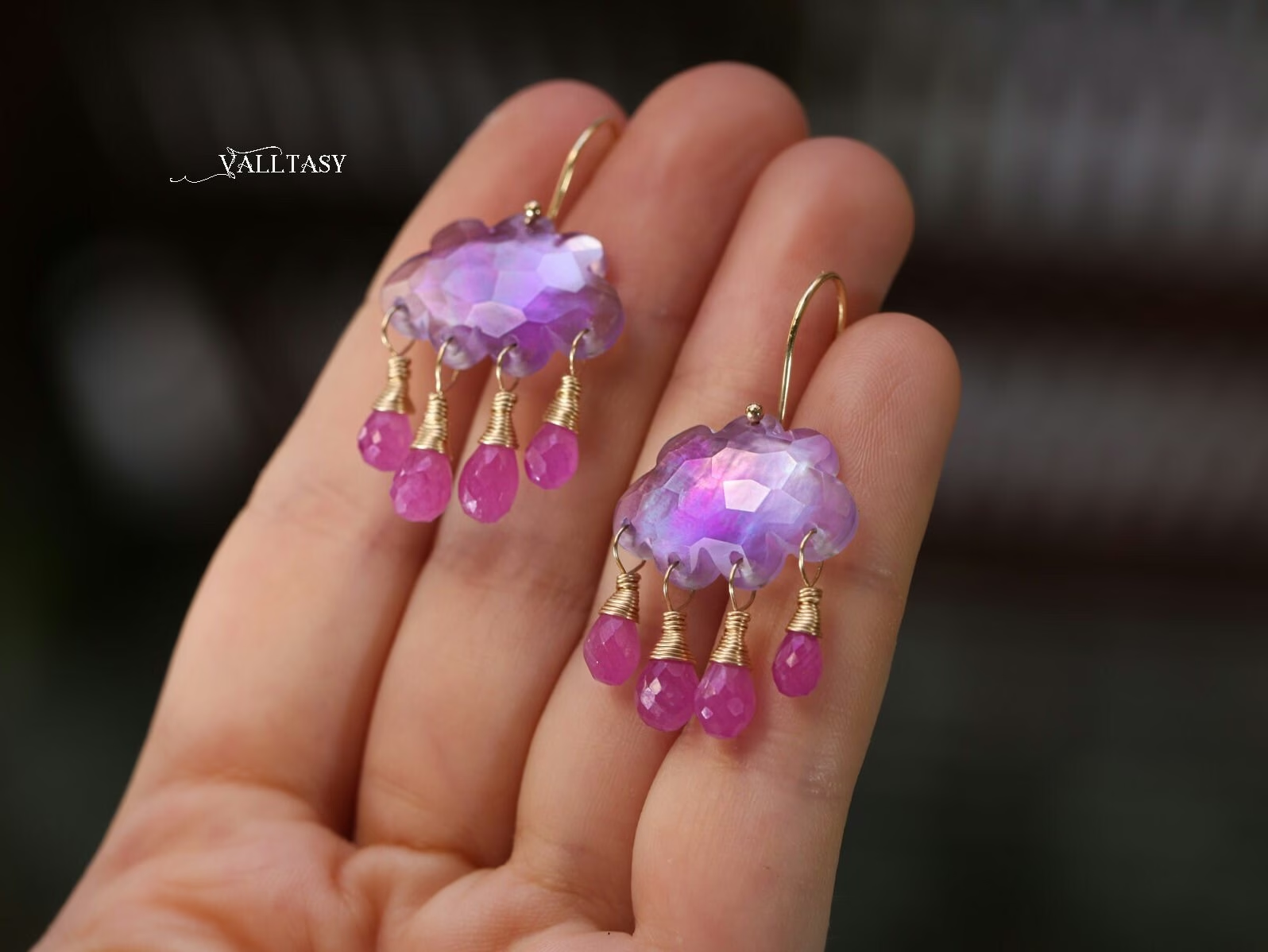
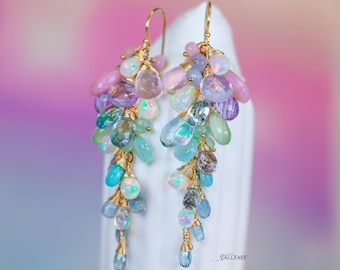
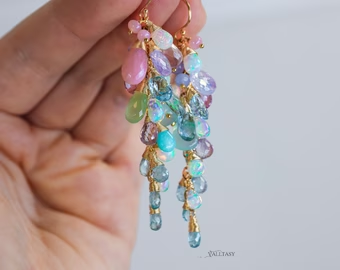
Pink Amethyst and Sapphire earrings, all natural gemstones in solid 14K gold
“Every stone in my jewelry is real, natural, and chosen by me personally. I won’t compromise on this, because you deserve jewelry that keeps its beauty forever.”
WANT TO LEARN MORE?
Read my complete guide: How to Spot Dyed Gemstones: 9 Signs to Watch For. And if you ever have questions about a specific stone, reach out anytime.
WHAT CUSTOMERS SAY
“You can see the stones are real because they are heavy, and the bracelet is very sturdy! It is made with a lot of love.”
– Janet I., on the The Rainbow Day Bracelet
COMMON QUESTIONS
Natural vs. Dyed Gemstones FAQ
Are all brightly colored gemstones dyed?
Not at all. Many gemstones are naturally vivid, like Paraiba Tourmaline, Emerald, Ruby, and Tanzanite. The difference is that natural vibrancy comes with depth and subtle color variation, while dyed stones look flat and uniformly saturated. Natural vibrant stones are typically transparent or translucent, not opaque.
What's the difference between 'treated' and 'dyed'?
“Treated” is a broad term covering many processes. Heat treatment, for example, is widely accepted and permanent. Dyeing adds artificial color that fades over time. When a stone is described as “treated,” always ask specifically what type of treatment was used. According to GIA, all treatments should be disclosed to buyers.
How long does the color last in dyed gemstones?
It varies, but most dyed gemstones begin losing color within months to a few years of regular wear. Sunlight, skin oils, perfume, and even water accelerate the fading. Natural gemstones keep their color indefinitely because the color is part of their mineral structure.
Are natural gemstones always more expensive?
Generally, yes, because natural stones are rarer and require more careful sourcing. But the price reflects genuine quality and lasting value. A natural gemstone can be an heirloom piece, while a dyed stone will lose both its beauty and its value.
How does Valltasy verify stones are natural?
I personally examine every gemstone before it goes into a design. I work only with trusted suppliers I’ve known for years, and I check each stone for signs of treatment or dyeing. If a stone doesn’t meet my standards, it doesn’t go into my work. No exceptions.
Can a dyed stone be restored to its original color?
No. Once the dye fades, the stone reverts to its natural (usually pale or colorless) state and cannot be restored to the dyed color. Re-dyeing is possible but the same fading will happen again. This is why natural gemstones are always the better long-term choice.
Can I get a piece with a specific natural gemstone?
Yes! I love working with customers to find specific natural stones. Whether you’re looking for a particular color, gemstone type, or design, visit my custom orders page and let me know what you have in mind.
SHOP WITH CONFIDENCE
Every Valltasy Stone is Natural
Handmade jewelry with hand-picked, undyed gemstones that keep their beauty forever.
Shop Best SellersFIND YOUR NEXT FAVORITE
Best Sellers
Every piece is made with natural, undyed gemstones chosen by me personally ❤️


KEEP READING
More Helpful Guides
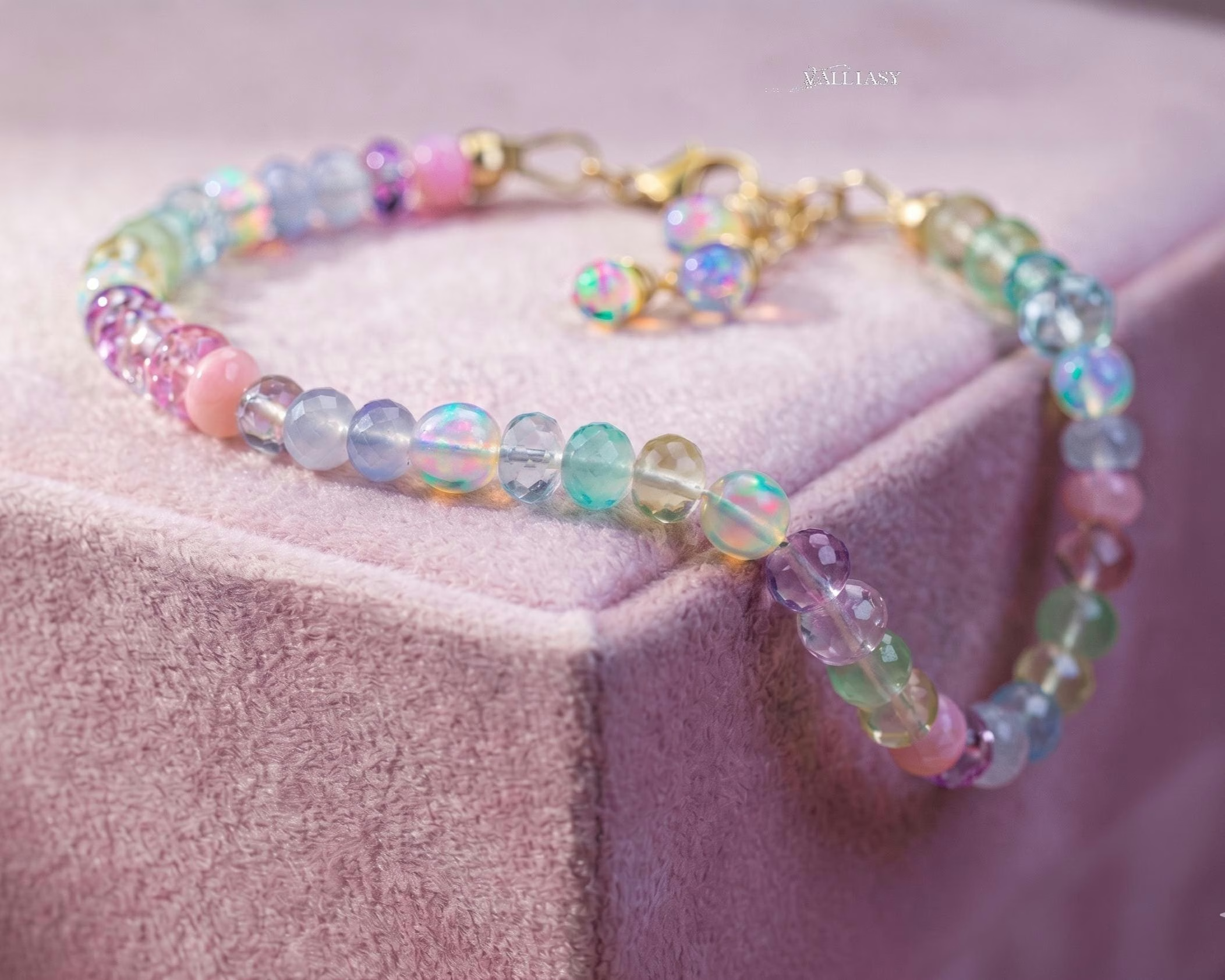
Can Water Ruin an Opal? What I Tell Every Customer
The most common question I get about Ethiopian Opal: can it get wet? Here's the [...]
01
Oct
Oct
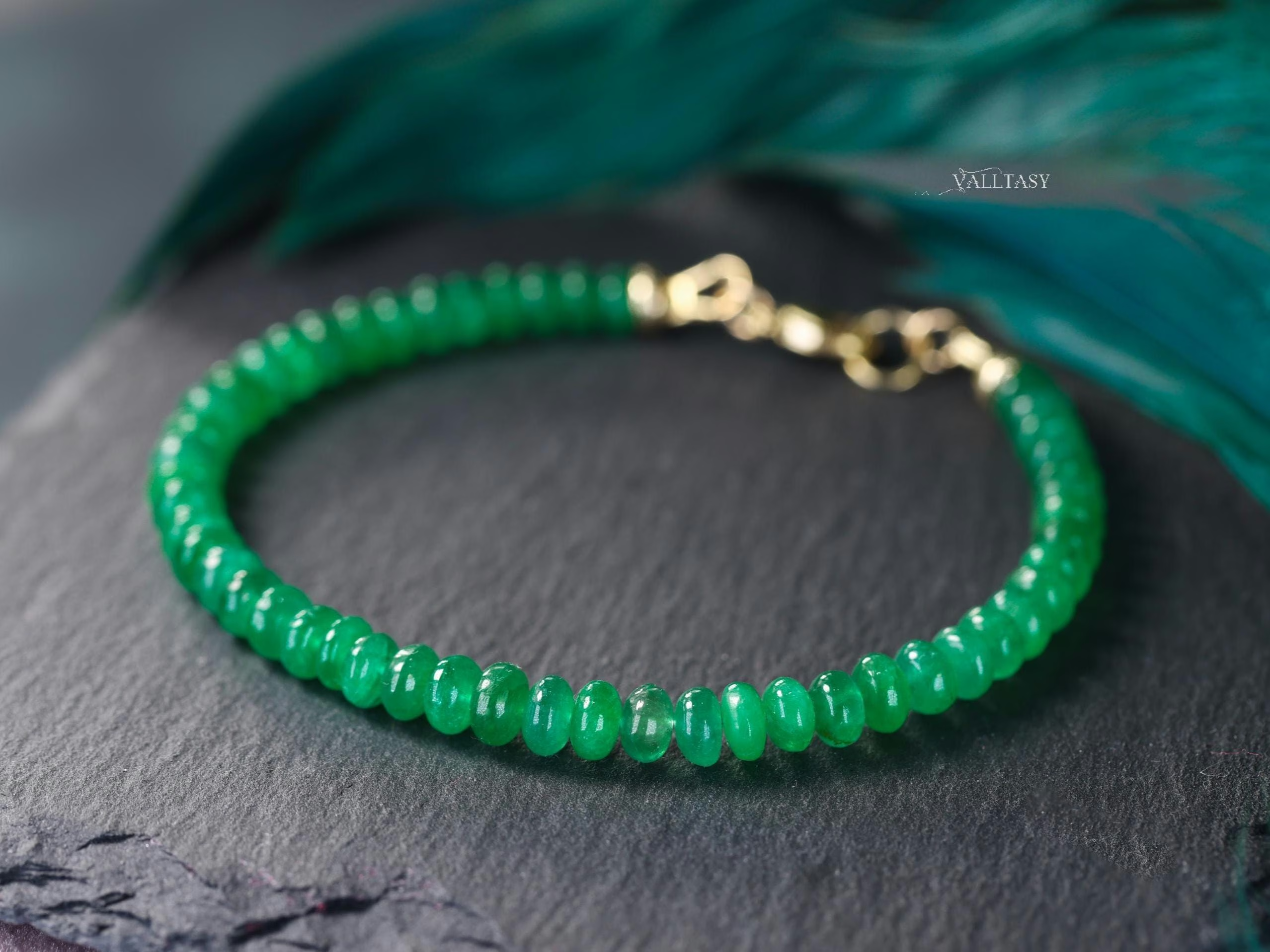
Why Natural Gemstones Have Inclusions (and Why I Love Them)
Nervous about a little mark inside your gemstone? Don't be. Inclusions are tiny natural features [...]
24
Sep
Sep


