
No items in the cart






Gemstone Jewelry Repair: When and How to Restore Your Pieces
Know when your gemstone jewelry repair is needed before it becomes an emergency. From loose stones and worn prongs to safe home cleaning methods, this guide covers DIY fixes, professional repairs, prevention tips, and when replacement makes more sense.
By Valerya | 7 min read
KEY TAKEAWAYS
- Loose stones, worn prongs, and broken clasps are signs your jewelry needs professional repair
- Regular cleaning and proper storage can prevent most common damage to gemstone jewelry
- Some repairs (like cleaning and minor polishing) are safe to do at home, but stone resetting and metalwork should always go to a professional
- Prevention is the best repair: removing jewelry during physical activities saves you from costly fixes later
Signs Your Jewelry Needs Repair
Gemstone jewelry can be a cherished part of your personal collection, often holding sentimental value that goes far beyond its price tag. But even the most well-made pieces experience wear over time. I always tell my customers: catching problems early saves you from bigger (and more expensive) repairs later. Here are the warning signs to watch for:
- Loose stones: If a gemstone wobbles or rattles in its setting, it could fall out at any moment. This is the most urgent repair to address.
- Worn prongs: The metal prongs holding your stones can thin out over time. Look for prongs that appear flat, bent, or have visible wear marks.
- Scratched or chipped gemstones: Softer stones like Opal, Peridot, and Turquoise are especially vulnerable. Even harder gems like Sapphire can chip from a sharp impact.
- Broken clasps or chains: A faulty clasp puts your entire piece at risk. If a clasp doesn’t close securely or a chain link looks stretched, get it fixed promptly.
- Discoloration or tarnishing: Dull, darkened metal or cloudy gemstones are signs the piece needs professional cleaning and possibly replating.
- Bent or misshapen wire: For wire-wrapped jewelry, bent or loosened wire can compromise both the look and the security of the stones.
DIY vs. Professional Repair
Knowing which repairs you can safely handle at home and which need a professional is important. Here’s my honest breakdown:
Safe to Do at Home
- Gentle cleaning: Warm water, mild soap, and a soft brush work well for most gemstones. Rinse thoroughly and pat dry.
- Polishing metal: A soft jewelry polishing cloth can restore shine to gold and silver surfaces.
- Tightening screw-back earring posts: A gentle twist with clean fingers is usually all you need.
- Replacing earring backs: Standard butterfly or silicone backs are easy to swap out.
Leave to a Professional
- Resetting loose stones: This requires specialized tools and expertise. One wrong move can crack the gem.
- Repairing or rebuilding prongs: Metalwork around precious stones is delicate work.
- Chain soldering: Reconnecting broken chain links requires a jeweler’s torch and steady hands.
- Replating white gold: Rhodium plating wears off over time and needs professional reapplication.
- Gemstone polishing for scratches: Removing scratches from the surface of a stone requires lapidary equipment.
Common Gemstone Jewelry Repairs
Here are the repairs I see most often, along with what to expect:
- Prong retipping or rebuilding: Worn prongs are rebuilt or tipped with new metal to hold the stone securely. This is one of the most common and important repairs.
- Stone replacement: If a gemstone is lost or badly damaged, a jeweler can source a matching stone and set it in the existing piece.
- Clasp replacement: Broken or worn clasps are replaced with new hardware. For necklaces, spring ring and lobster claw clasps are the most durable options.
- Ring resizing: Rings can typically be sized up or down 1-2 sizes. For more complex pieces with gemstones around the band, resizing may not always be possible.
- Chain repair: Broken links are soldered back together. For delicate chains, this requires a skilled jeweler to keep the repair invisible.
- Restringing: Pearl and beaded necklaces should be restrung every 1-2 years if worn regularly, or whenever the silk thread shows signs of stretching.
Prevention: Keeping Your Jewelry Safe
The best gemstone jewelry repair is the one you never need. Here are my top tips for preventing damage in the first place:
- Remove before activities: Take off your jewelry before exercising, gardening, cleaning, swimming, or doing dishes. This single habit prevents most jewelry damage.
- Store separately: Each piece should have its own soft pouch or compartment. Harder gemstones can scratch softer ones, and chains tangling causes stress on links.
- Put jewelry on last: Apply perfume, lotion, hairspray, and sunscreen before putting on your jewelry. Chemicals in these products can dull stones and tarnish metals.
- Clean regularly: A quick wash with warm water and mild soap every few weeks prevents buildup that can dull your gems and weaken settings over time.
- Schedule inspections: Have a professional check your fine jewelry once a year. They can spot issues like loose prongs before they become emergencies.
PRO TIP
When traveling, bring a small padded jewelry case rather than tossing pieces into a bag. Travel is one of the most common times jewelry gets damaged or lost. A small zippered organizer with individual compartments is a worthwhile investment.
Restoration vs. Replacement
Sometimes a piece has sentimental value that makes restoration worthwhile, even if the repair costs more than the piece’s market value. Other times, the damage is so extensive that starting fresh makes more sense.
I recommend discussing these options with your jeweler:
- Full restoration: Rebuild and refresh the piece to like-new condition. Best for high-value or sentimental pieces.
- Partial restoration: Fix the functional issues (like a broken clasp) while leaving cosmetic wear that adds character.
- Repurposing: Take the gemstones from a damaged piece and set them into a completely new design. This is a beautiful way to give new life to inherited jewelry.
If you have a piece you’d like to repurpose or redesign, I love working on projects like this. Check out my custom orders page to start the conversation.
IMPORTANT
Never attempt to fix a loose gemstone with household glue. Superglue and craft adhesives can permanently damage both the stone and the setting, making professional repair much harder (and more expensive) later. If a stone feels loose, stop wearing the piece and bring it to a jeweler.
WHAT CUSTOMERS SAY
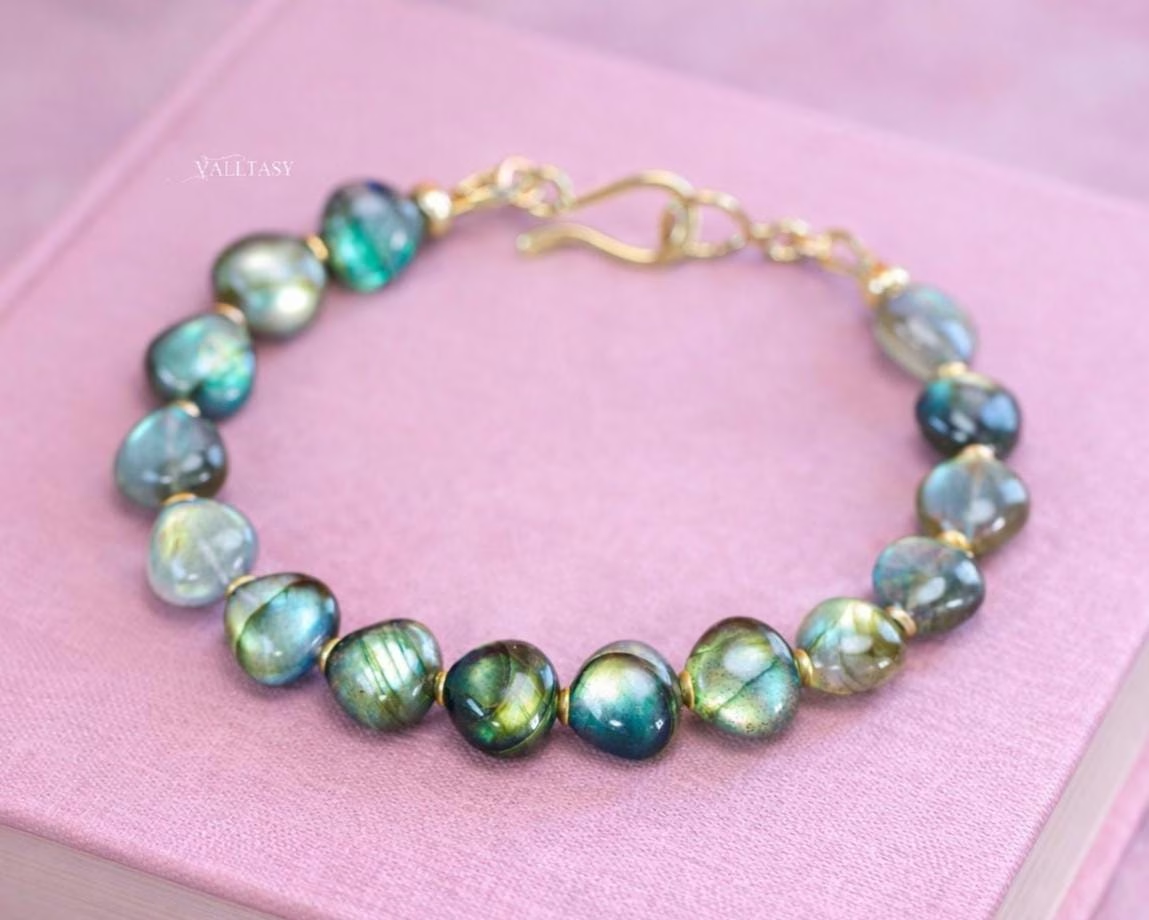
“It is a gorgeous jewelry piece and the Labradorites are very flashy and very beautiful. They really glow! I get compliments all the time!”
– Mary Ann W., on the The Twilight Queen Bracelet

COMMON QUESTIONS
Gemstone Jewelry Repair FAQ
How often should I have my jewelry professionally inspected?
I recommend an annual check-up for fine jewelry you wear regularly. A jeweler can spot loose prongs, worn clasps, and other issues before they cause stone loss or breakage. For everyday rings and bracelets, twice a year is even better.
Can scratched gemstones be repaired?
Many scratched gemstones can be repolished by a lapidary (gem cutter). This works best for harder stones like Sapphire and Topaz. Softer stones like Opal or Turquoise may be more difficult to repolish without losing size or shape. Deep chips may require the stone to be recut.
Is it worth repairing old or vintage jewelry?
Often yes, especially if the piece has sentimental value or contains quality gemstones. A skilled jeweler can breathe new life into vintage pieces while preserving their character. If the setting is beyond repair, the gemstones can usually be rescued and set into a new design.
How do I clean gemstone jewelry safely at home?
For most gemstones, warm water with a drop of mild dish soap and a soft brush works well. Avoid ultrasonic cleaners for porous or soft stones (Opal, Turquoise, Pearl, Emerald). Rinse thoroughly with clean water and pat dry with a lint-free cloth. For more details, check my gold care guide.
Can Valltasy repair jewelry I purchased elsewhere?
I primarily focus on my own designs, but I’m always happy to discuss your piece and offer advice. For gemstone repurposing into a new Valltasy design, visit my custom orders page. For general repairs, I recommend finding a trusted local jeweler who specializes in the type of metalwork your piece needs.
How can I prevent my gemstone rings from getting damaged?
The simplest rule: take them off when using your hands for any physical work. This includes dishes, gardening, exercising, and cleaning. Store rings individually in soft pouches, and avoid exposing them to harsh chemicals. With these habits, your rings will stay beautiful for years.
SOMETHING NEW
Explore Our Best Sellers
Treat yourself to a piece that’s made to last, with quality you can feel the moment you put it on.
Shop Best SellersFIND YOUR NEXT FAVORITE
Best Selling Gemstone Jewelry
Each piece is handmade with care, designed to bring you joy and color every day ❤️


KEEP READING
More Helpful Guides
The Real Cost of Gold Jewelry: What You’re Actually Paying For Over 10 Years
That $100 gold-plated bracelet might seem like a deal, but how much will you spend [...]
21
Jul
Jul
Moonstone Meaning: Symbolism, Benefits & How to Wear It
Moonstone has long been known as the stone of new beginnings, but that barely scratches [...]
14
Jul
Jul


