
No items in the cart




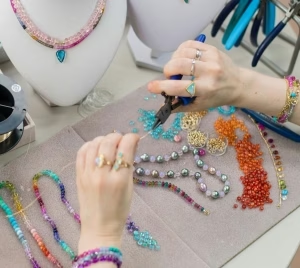

August Birthstone Peridot: The Gem of the Sun
The August birthstone Peridot brings summer sunshine into every piece. From its ancient Egyptian history to its cosmic origins in meteorites, Peridot is one of nature most fascinating green gems. Includes color guide, care tips, and styling ideas.
By Valerya | 7 min read
KEY TAKEAWAYS
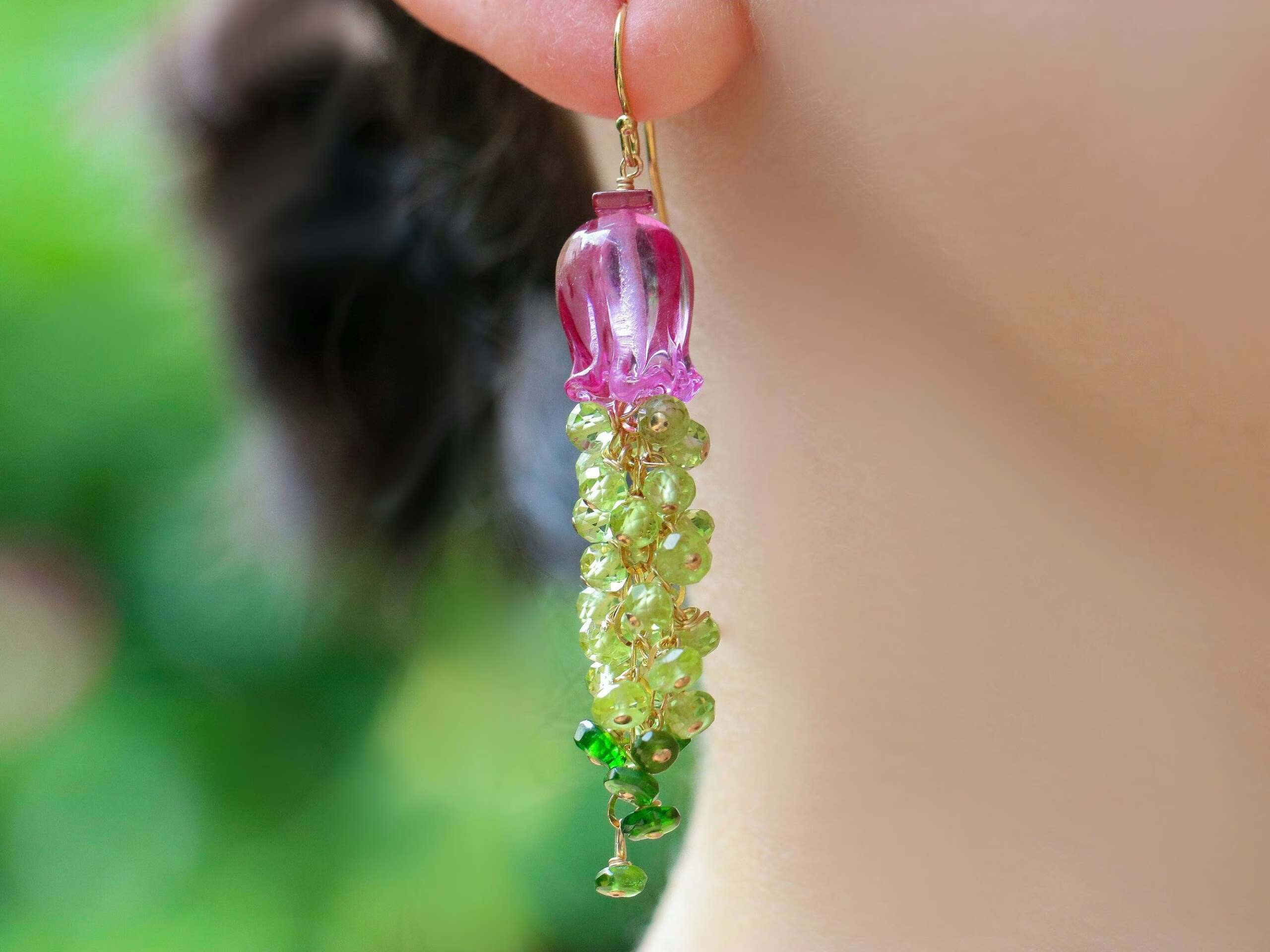
- Peridot is the August birthstone, known for its vibrant olive-green color and warm golden glow
- It’s one of the few gemstones that comes in only one color: green (from yellowish-green to deep olive)
- Ancient Egyptians called Peridot “the gem of the sun” and believed it had protective powers
- Peridot has even been found in meteorites, making it a truly cosmic gemstone
- With a hardness of 6.5-7 on the Mohs scale, Peridot is suitable for everyday jewelry with proper care
What Makes the August Birthstone Peridot Special
When you think of August, images of warm summer days and golden sunshine come to mind. It’s fitting, then, that the August birthstone is the vibrant and luminous Peridot. This gem, with its characteristic olive-green glow, has been capturing hearts for thousands of years.
I love working with Peridot because it carries the warmth and energy of late summer in its color. There’s something deeply cheerful about this stone, and it pairs beautifully with other greens and warm tones in my designs. Here’s what makes Peridot truly stand out:
- Single-color gemstone: Peridot is one of the few gems that occurs in only one color, green. The shade varies from bright yellowish-green to rich olive, depending on the iron content.
- Ancient history: The Egyptians mined Peridot on the island of Zabargad over 3,500 years ago. They called it “the gem of the sun” and believed it could protect against nightmares.
- Extraterrestrial origins: Peridot has been found in meteorites that fell to Earth, and it’s also been identified in comet dust collected by NASA. It’s a gem from outer space!
- Healing traditions: In crystal healing, Peridot is believed to bring good luck, peace, and emotional balance to the wearer.
Peridot Color Range and Properties
While Peridot always falls within the green spectrum, the specific shade can vary quite a bit. The color depends on how much iron is present in the crystal structure, and each shade carries its own unique charm.
- Yellowish-Green: The lightest shade, with a sunny, citrus-like quality. These stones have lower iron content and sparkle beautifully in daylight.
- Pure Green: The most sought-after shade for jewelry. Vivid and saturated, with a balanced warmth that catches the eye without being overwhelming.
- Olive Green: A deeper, earthier tone with brownish undertones. This shade is common in larger stones and has a sophisticated, natural quality.
- Deep Forest Green: The richest shade, found in the finest specimens from Pakistan and Myanmar. These stones command the highest prices among collectors.
Some key properties to know:
- Hardness: 6.5-7 on the Mohs scale (suitable for everyday wear with care)
- Chemical formula: (Mg,Fe)2SiO4 (a magnesium iron silicate)
- Crystal system: Orthorhombic
- Refractive index: 1.654-1.690 (gives Peridot its distinctive sparkle)
Meaning and Symbolism
Peridot carries rich symbolism across many cultures and traditions. Throughout history, this vibrant green stone has been associated with light, renewal, and positive energy.
The ancient Egyptians associated Peridot with the sun god Ra, believing it harnessed the power of sunlight. Hawaiian culture connects Peridot to the tears of Pele, the goddess of fire and volcanoes. In medieval Europe, people wore Peridot to ward off evil spirits and gain wisdom.
Today, Peridot is associated with compassion, warmth, and growth. It’s considered a stone of renewal, perfect for anyone going through change or seeking a fresh start. As a gift, Peridot jewelry carries a message of positivity and care, making it meaningful for August birthdays, 16th wedding anniversaries, or simply as a “thinking of you” gesture.
Where Peridot Comes From
Peridot is one of the few gemstones that forms deep in the Earth’s mantle (not in the crust like most gems) and is brought to the surface by volcanic activity. That’s why you’ll often find it near volcanic regions.
The most important sources of Peridot today include:
- San Carlos Apache Reservation, Arizona (USA): Produces most of the world’s commercial-quality Peridot, in smaller sizes with bright, cheerful color.
- Zabargad Island, Egypt: The historic source, mined for over 3,500 years. Still produces exceptional stones, though in limited quantities.
- Pakistan (Suppat and Kashmir region): Known for producing some of the finest large Peridot crystals with deep, saturated green color.
- Myanmar (Burma): Produces large, high-quality stones with intense color.
And here’s one of my favorite Peridot facts: scientists have identified Peridot (its mineral name is olivine) on Mars and the Moon. Pallasitic meteorites, which are incredibly rare, contain Peridot crystals that formed in outer space billions of years ago.
Caring for Your Peridot Jewelry
Peridot is durable enough for everyday wear, but it does need a bit of care to stay looking its best. Here are my recommendations:
- Cleaning: Use mild soap with warm (not hot) water and a soft brush. Rinse well and pat dry with a soft cloth.
- Avoid heat: Sudden temperature changes can damage Peridot. Never use steam cleaning or ultrasonic cleaners.
- Storage: Store Peridot jewelry separately in a soft pouch or lined compartment. Harder stones like Sapphire or Diamond can scratch it.
- Chemicals: Remove Peridot jewelry before using household cleaners, applying perfume, or swimming in chlorinated water.
- Activity: Take off Peridot rings and bracelets during sports, gardening, or heavy housework to prevent chips or impacts.
With proper care, your Peridot jewelry will maintain its beautiful glow for decades. I always tell my customers: treat your gemstones gently, and they’ll reward you with a lifetime of color.
PRO TIP
Peridot looks particularly stunning when paired with warm-toned metals like yellow gold and rose gold. The green of the stone plays off the warmth of the metal, creating a rich, harmonious color combination. If you’re looking for something unique, Peridot also pairs beautifully with purple Amethyst or Blue Topaz for a colorful, eye-catching look.
“Peridot carries the warmth of summer sunshine in every facet. It’s a stone that makes you smile, and that’s the kind of energy I want in every piece I create.”
WHAT CUSTOMERS SAY
“Beautiful earrings, I am wearing them now and have gotten compliments!”
– Rebecca B., on the On the Edge Earrings

COMMON QUESTIONS
Peridot FAQ
Is peridot a good gemstone for everyday jewelry?
Yes, Peridot is a good choice for everyday wear. With a Mohs hardness of 6.5-7, it’s durable enough for rings, earrings, necklaces, and bracelets. Just be mindful of hard impacts and extreme temperatures, and remove your jewelry during rough activities.
What is the best color for peridot?
The most valued Peridot color is a vivid, saturated green without too much yellow or brown. The finest specimens come from Pakistan and Myanmar, showing a rich, pure green with excellent transparency. However, lighter yellowish-green stones are also beautiful and more affordable.
Can peridot be used in engagement rings?
Peridot can work in an engagement ring, but it requires a protective setting (like a bezel) since it’s softer than traditional engagement ring stones. It’s a wonderful choice for someone who loves unique, colorful jewelry. If you’d like a custom Peridot piece, check out my custom orders page.
Is peridot expensive?
Peridot is generally considered an affordable gemstone compared to Emeralds or Sapphires. Smaller stones (under 3 carats) from Arizona are quite accessible. Larger, high-quality stones from Pakistan with deep green color can be more valuable, but overall Peridot offers excellent value for its beauty.
What does peridot symbolize as a birthstone?
As the August birthstone, Peridot symbolizes strength, protection, and renewal. It’s traditionally associated with warmth, growth, and positive energy. In modern crystal traditions, Peridot is believed to bring good fortune and help release negative patterns.
How can I tell if my peridot is real?
Real Peridot has a distinctive oily or velvety luster and often shows slight natural inclusions (called “lily pads”). If the stone looks too perfect or has uniform, flat color, it might be glass. A gemologist can confirm authenticity using standard tests. For tips on identifying genuine gemstones, check our guide to authenticating gems.
CELEBRATE AUGUST
Shop Colorful Gemstone Jewelry
Find the perfect August birthday gift or treat yourself to a pop of color.
Browse the CollectionFIND YOUR NEXT FAVORITE
Colorful Gemstone Jewelry
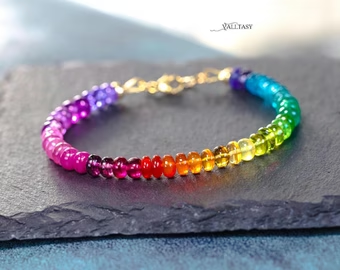
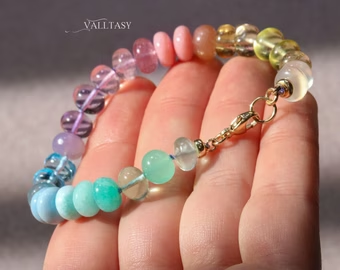
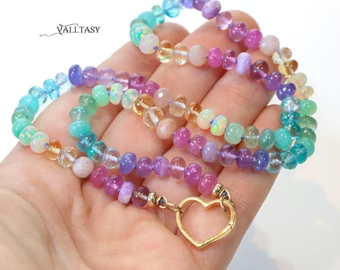
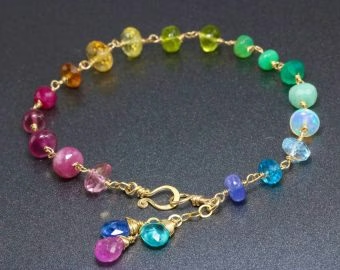
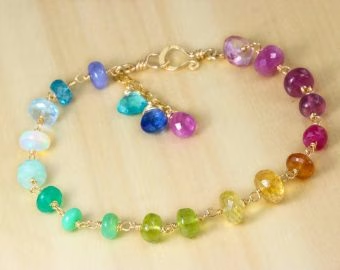
Peridot’s sunny green pairs perfectly with other colorful gems. Browse my rainbow collection for pieces that bring joy and color to your day ❤️




KEEP READING
More Gemstone Guides
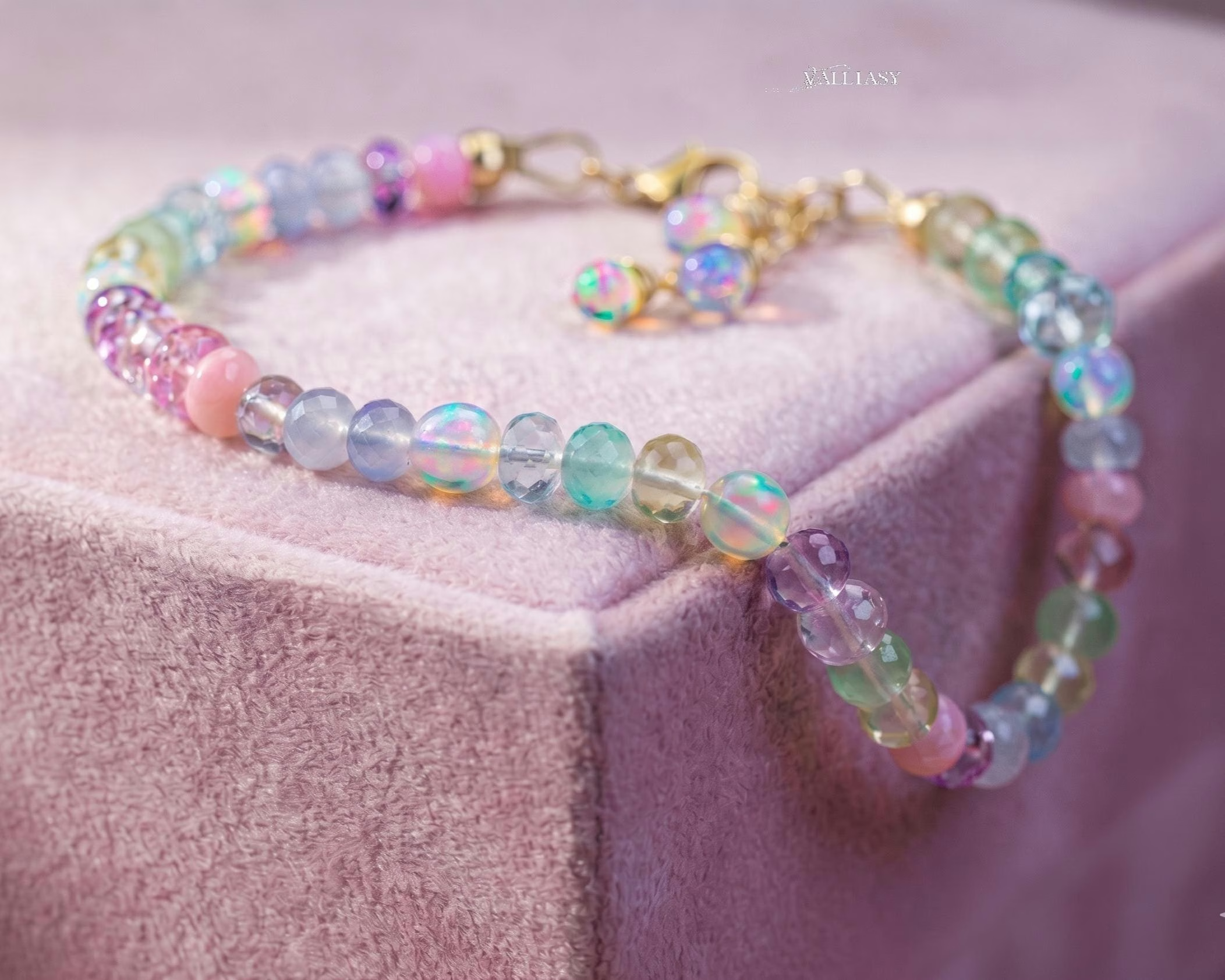
Can Water Ruin an Opal? What I Tell Every Customer
The most common question I get about Ethiopian Opal: can it get wet? Here's the [...]
01
Oct
Oct
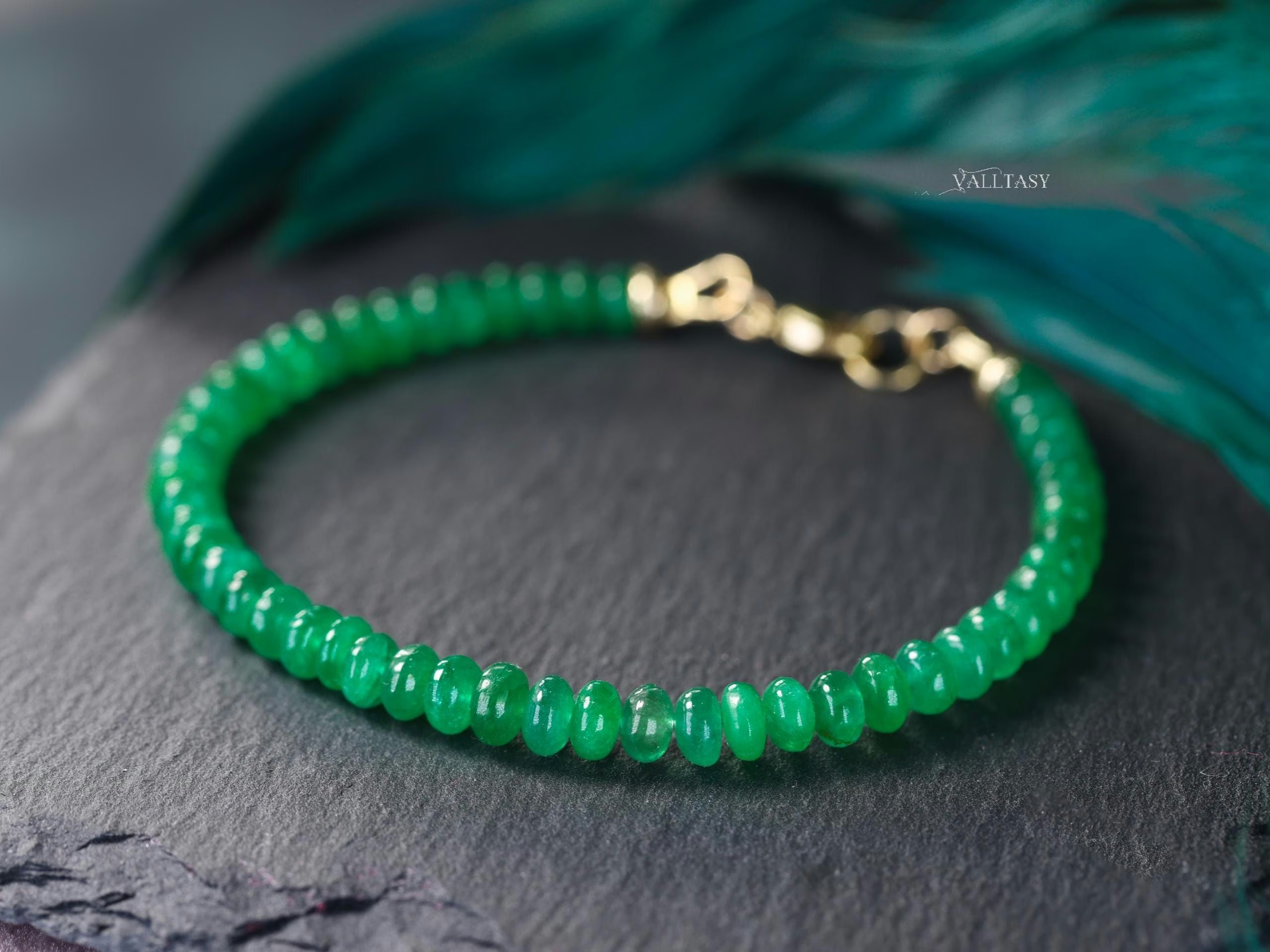
Why Natural Gemstones Have Inclusions (and Why I Love Them)
Nervous about a little mark inside your gemstone? Don't be. Inclusions are tiny natural features [...]
24
Sep
Sep


