
No items in the cart




Gemstone Hardness and Durability: Which Stones Are Safe for Everyday Jewelry?
Not all gemstones are equally tough. After years of designing jewelry, here's how I decide which stones go into rings, bracelets, necklaces, and earrings, based on real-world durability and the Mohs hardness scale.
By Valerya | 9 min read
Emerald Jewelry-Care Moonstone Opal Sapphire Solid-Gold Tourmaline
KEY TAKEAWAYS
- Not all gemstones are equally durable. Hardness (Mohs scale) tells you how scratch-resistant a stone is, but it’s not the only factor.
- Gemstones from about Mohs 5.5 and up handle daily wear beautifully in the right setting – yes, even in bracelets and rings.
- Moonstone, Labradorite, Ethiopian Opal, and Australian Opal are some of my most-used stones. They work wonderfully in rings, bracelets, necklaces, and earrings alike.
- The right setting makes all the difference. Bezel settings, wire-wrapping, and beaded designs each protect stones in their own way – so even a Mohs 5.5 gem wears safely every day.
What Hardness Actually Means (and What It Doesn’t)
One of the first things I learned when I started working with gemstones is that “hard” doesn’t mean “indestructible.” The Mohs hardness scale measures scratch resistance on a scale of 1 to 10. A Diamond sits at the top at 10. Talc is at the bottom at 1. Most gemstones used in jewelry fall between 5 and 9.
But here’s what many people don’t realize: hardness only tells you about scratching. It doesn’t tell you about chipping, cracking, or breaking. That’s called toughness, and it’s a separate property. Jade, for example, is only 6-7 on the Mohs scale but it’s one of the toughest gemstones out there because of its interlocking crystal structure.
For jewelry, you need to think about both. A gemstone in a ring takes bumps against tables, door handles, and steering wheels every single day. That’s very different from an earring that sits safely near your face.
How I Decide Which Gems Go Into Which Jewelry
After years of designing and making jewelry, I’ve developed a simple rule of thumb that I use in my studio every day:
- Bracelets and rings (daily wear): Gemstones from about Mohs 5.5 and up handle daily wear well. That includes Moonstone (6-6.5), Labradorite (6-6.5), Ethiopian Opal (5.5-6) and Australian Opal (6-6.5) alongside harder stones like Sapphire (9), Topaz (8), Tourmaline (7-7.5), Garnet (6.5-7.5), and Amethyst and Citrine (7). I use all of these in bracelets and rings every day. For rings with stones in the 5.5-6.5 range, I choose protective settings that shield the stone, and the visual payoff is worth it.
- Necklaces: Necklaces hang freely and rarely hit hard surfaces, so almost any gemstone works beautifully. I use Moonstone, Labradorite, Opal, and even Pearls freely in necklace designs without worrying about durability.
- Earrings: Anything goes. Earrings are the most protected type of jewelry, so I use all my favorite stones freely – Ethiopian Opal, Australian Opal, Moonstone, and even Pearls (2.5-4.5).
The truth is, the right setting and a little awareness go a long way. I’ve shipped thousands of Moonstone and Opal bracelets that customers wear every day and love. The key is choosing the right setting for the stone and knowing the basics of care.
💬 WHAT CUSTOMERS SAY
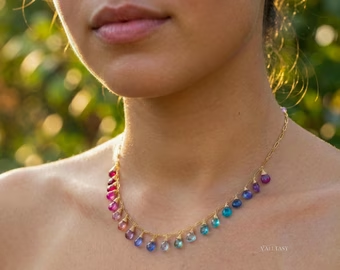
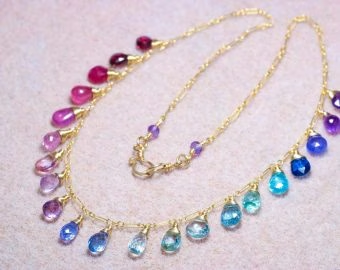
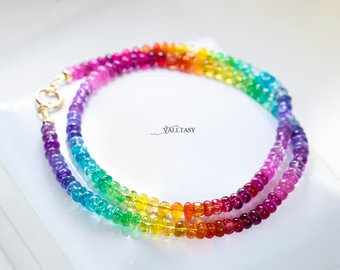
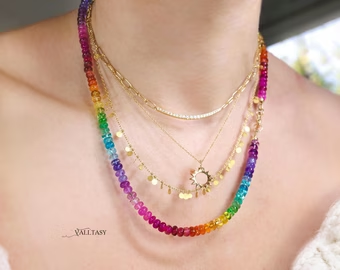
“The size is perfect for everyday, and she happily customized the start and end colors for me so my favorites are up front :)”
– Jen, on the Rainbow Necklace
Gemstones That Handle Everyday Life
These are the gems I reach for when someone wants a piece they’ll never take off:
The Hard Ones (Mohs 7+)
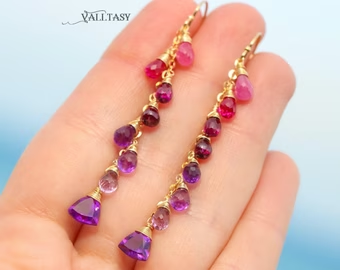
- Sapphire (9): second only to Diamond. I love working with Sapphires because they come in every color, not just blue. Pink, yellow, padparadscha… and they’ll look the same in 50 years.
- Topaz (8): Swiss Blue Topaz is one of my favorites for ocean-themed pieces. Hard enough for any type of jewelry.
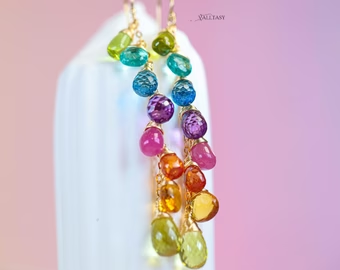
- Tourmaline (7-7.5): comes in the widest range of colors of any gemstone. Rubellite pink, Paraiba blue, watermelon, green… all durable enough for daily bracelets.
- Garnet (6.5-7.5): most gem-quality varieties like Rhodolite and Tsavorite sit solidly at 7 and above. Stunning in earrings and bracelets alike. The range in hardness depends on the variety.
- Amethyst and Citrine (7): quartz family stones that handle everyday wear well. I use these in everything from delicate earrings to bold necklaces.
- Emerald (7.5-8): technically hard enough for rings, but Emeralds have natural inclusions that can make them fragile. I recommend protective settings for Emerald jewelry.
My Everyday Favorites (Mohs 5.5 to 6.5)
These are the stones I work with most – my true everyday essentials. They sit right in the sweet spot of the Mohs scale and handle daily wear beautifully:
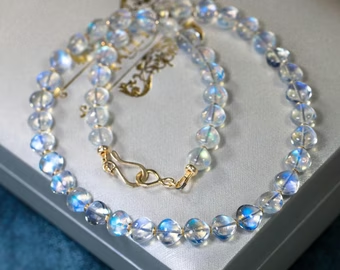
- Rainbow Moonstone (6-6.5): one of my signature stones and the one I use more than almost any other. That blue fire is stunning in every type of jewelry. I make Moonstone bracelets, necklaces, earrings, and rings, and they all hold up well with normal care.
- Labradorite (6-6.5): similar hardness to Moonstone and equally gorgeous flash. I use it in beaded bracelets, necklaces, and earrings, and the play of light inside the stone makes every piece feel alive.
- Ethiopian Opal (5.5-6.5): my customers ask about Opal durability more than anything else, so here’s the short answer: I’ve made thousands of Opal pieces across all jewelry types – including many bracelets, both wire-wrapped and beaded – and they hold up well with everyday wear. Beaded Opal bracelets are where these stones really shine, because the light passes through them beautifully.
- Australian Opal (6-6.5): Australian Opals have a richness and depth of color that’s hard to describe until you see one in person. They tend to be denser than Ethiopian Opals, which makes them feel substantial and sturdy in a setting. I love using them in rings especially, where their bold color play really stands out.
The Truly Soft Ones: Handle With Love
These gemstones are gorgeous, but they genuinely are delicate and need extra awareness:
- Pearl (2.5-4.5): the softest gem used in fine jewelry. Pearls scratch easily and react to chemicals (perfume, hairspray, even sweat). Always put Pearls on last and take them off first. They’re perfect in earrings and necklaces where contact is minimal.
- Turquoise (5-6): porous and sensitive to oils and chemicals.
GOOD TO KNOW
Even tough gemstones can chip if they hit something at the wrong angle. The Mohs scale measures scratching, not impact resistance. A Sapphire won’t scratch easily, but a sharp blow to a thin edge can still chip it. Treat all your jewelry with love 💗
Why the Setting Matters as Much as the Stone
The way a gemstone is set into jewelry plays a huge role in how well it’s protected:
- Wire wrapping: this is my most-used technique. The wire cradles the stone on multiple sides, distributing pressure and protecting edges. It’s one of the reasons Ethiopian Opals work so well in bracelets.
- Bezel setting: a metal rim completely surrounds the stone’s edge. Maximum protection. This is my go-to for Australian Opal and Moonstone rings, where the bezel keeps the stone safe while showing off its color beautifully.
- Prong setting: holds the stone with small metal claws. Lets in the most light (best sparkle!) but leaves edges exposed. Best for harder stones like Sapphires and Diamonds.
- Silk knotting: beads strung on silk with knots between each one. The silk absorbs shock and prevents stones from rubbing against each other. I use this for my silk-knotted necklaces.
You can read more about how I choose settings for different gemstones in my gemstone jewelry styles guide.
“The best jewelry is the jewelry you actually wear. Choose gemstones that match your lifestyle, and you’ll enjoy them every single day.”
NOT SURE WHICH GEMSTONE IS RIGHT FOR YOU?
I’m happy to help you choose. Tell me how you plan to wear the piece and I’ll recommend the best stones for your lifestyle. Just reach out through custom orders or send me a message.
COMMON QUESTIONS
Gemstone Durability FAQ
Can I wear Opal jewelry every day?
Yes! Opal earrings are some of my best sellers and customers wear them daily with no issues. I also make many Opal bracelets, both wire-wrapped and beaded, and they hold up well with normal wear. Beaded Ethiopian Opal bracelets let the most light through the stones, which is where Opals look their most magical. Australian Opals are denser and feel especially sturdy in rings and bracelets. Just be mindful not to bang them against hard surfaces, and remove Opal rings before cleaning, gardening, or gym workouts.
What gemstones are safe for engagement rings?
Yes – I make engagement rings with Moonstone and Opal in protective bezel settings, and they hold up beautifully for daily wear with a bit of awareness. If you want something extra resilient, Sapphire (Mohs 9), Ruby (9), Topaz (8), and Tourmaline (7-7.5) are the hardest colored gemstone options. Diamond (10) is the hardest stone of all, but it’s far from the only choice for a ring you’ll wear every day.
Is solid gold more durable than gold-filled?
Yes. 14K solid gold won’t tarnish, corrode, or wear away over decades of use. Gold-filled jewelry has a thick layer of gold bonded to a base metal, which is durable for years but can eventually wear through with heavy daily use. For pieces you’ll wear every day for years, solid gold is the better choice. Read more in my types of gold guide.
How should I store gemstone jewelry to prevent damage?
Keep pieces separate. Harder gemstones can scratch softer ones if they’re tossed together in a drawer. I recommend a jewelry box with individual compartments, or soft pouches for each piece. Keep Pearls and Opals away from direct heat and dry environments. For detailed storage tips, check my jewelry storage guide.
Does the Mohs scale tell me everything about gemstone durability?
No. Mohs only measures scratch resistance. Durability also depends on toughness (resistance to chipping), stability (resistance to heat, light, and chemicals), and how the stone is set. Emerald is hard (7.5-8) but its natural inclusions make it more fragile than its hardness suggests. Jade is softer (6-7) but extremely tough. Always consider the whole picture.
FIND YOUR PERFECT PIECE
Shop Gemstone Jewelry
Every piece is handmade with carefully selected natural gemstones ❤️
Shop Best SellersHANDMADE WITH LOVE
Best Sellers
Each piece is made with natural gemstones chosen for their color, quality, and beauty ❤️


KEEP READING
More Helpful Guides
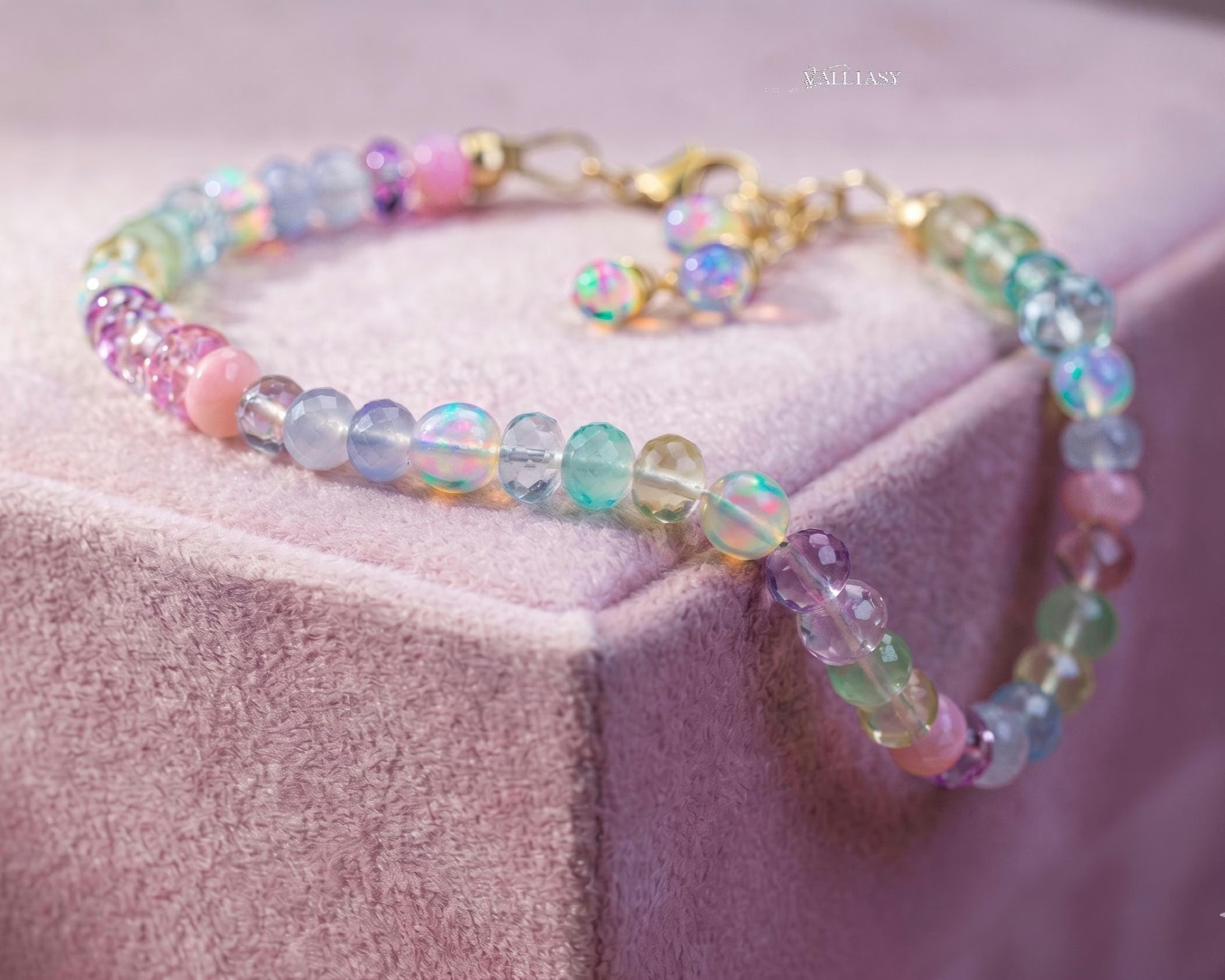
Can Water Ruin an Opal? What I Tell Every Customer
The most common question I get about Ethiopian Opal: can it get wet? Here's the [...]
01
Oct
Oct
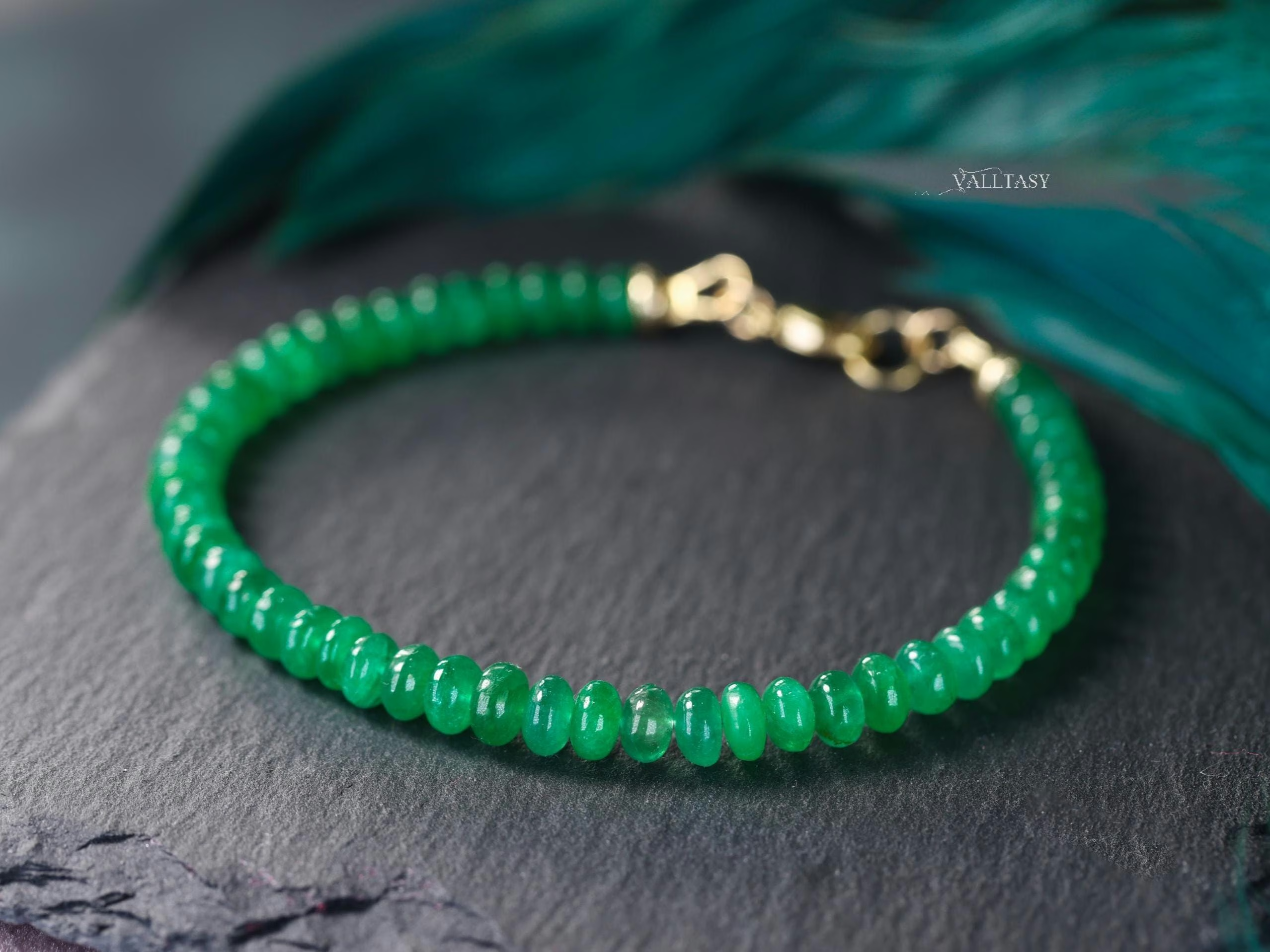
Why Natural Gemstones Have Inclusions (and Why I Love Them)
Nervous about a little mark inside your gemstone? Don't be. Inclusions are tiny natural features [...]
24
Sep
Sep


